
One Contractor, Multiple Services – How Integrated Demolition & Waste Management Saves Time and Money
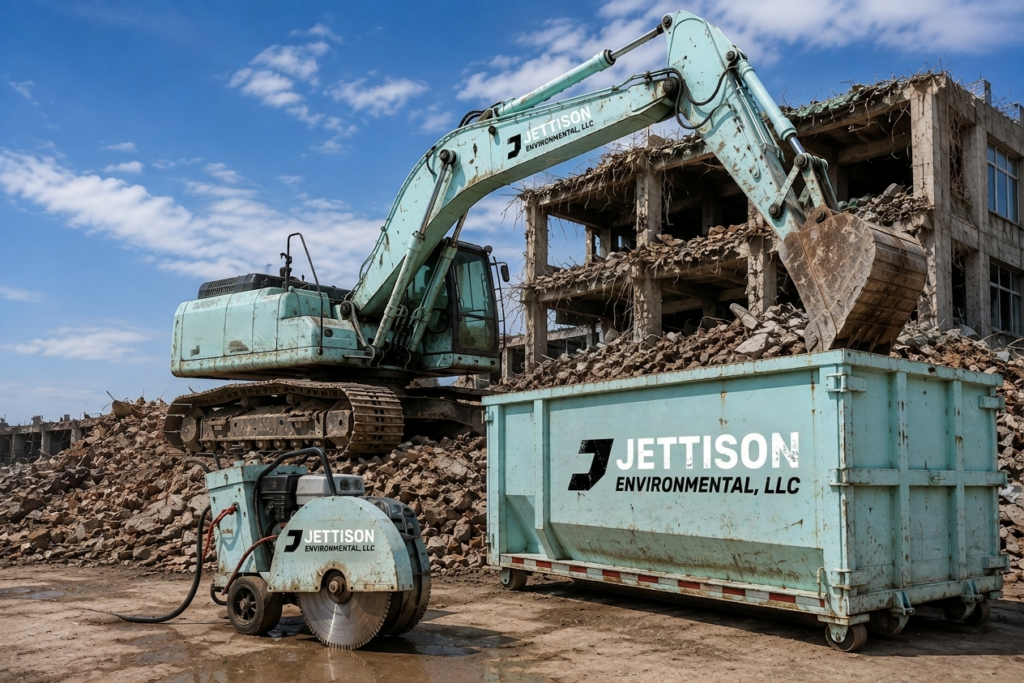
Building demolition involves far more than bringing down a structure. Concrete may need to be cut and removed, demolition debris must be contained and hauled, dumpsters need to be exchanged as work progresses, and materials ultimately need to reach an appropriate disposal or recycling facility. When each part of that process is handled by a different company, project managers can spend considerable time coordinating contractors, schedules, equipment and disposal. Jettison Environmental offers a different approach. By combining demolition experience, concrete cutting, roll-off dumpster service, waste management and C&D landfill resources, Jettison can help contractors and property owners consolidate separate phases of a demolition project with one experienced environmental services provider. Fewer Vendors Can Mean Simpler Demolition Project Management Every additional contractor involved in a demolition project creates another schedule that must be coordinated. The demolition crew needs containers available when debris is generated. Haulers need access to the site. Concrete removal may have to occur before another phase can begin. Disposal arrangements must also accommodate the type and quantity of material being removed.Jettison’s integrated roll-off dumpster and waste management services allow several of those responsibilities to be coordinated through one provider. For contractors, developers and property managers, that can translate into fewer phone calls, fewer scheduling conflicts and a clearer chain of responsibility throughout the project. Demolition Experience Helps Plan Waste Management Before Work Begins Waste management is most effective when it is considered before demolition starts rather than after debris begins accumulating. Because Jettison provides residential and commercial demolition services with debris removal, its team understands how demolition methods affect the volume, weight and type of debris a project generates. That experience can help determine where containers should be staged, what dumpster sizes may be appropriate, when swap-outs should occur and whether heavy materials such as concrete should be handled separately. Planning these details early can help keep working areas accessible and prevent debris from becoming an obstacle to crews and equipment. Concrete Cutting and Removal Under the Same Service Umbrella Concrete frequently adds another challenge to demolition. Slabs, walls, foundations, sidewalks and other structural elements may need to be precisely cut before they can be safely removed. Jettison provides concrete cutting and removal services for demolition and construction projects, including core drilling, flat sawing, wall sawing and wire sawing. Instead of arranging one company to cut concrete, another to provide a dumpster and another to haul the resulting debris, these services can be coordinated as a wider demolition and waste-management strategy. Roll-Off Dumpsters Keep Demolition Debris Moving Demolition does not stop simply because a dumpster is full. Container placement and timely exchanges can have a direct impact on jobsite productivity. Jettison can stage appropriately sized roll-off dumpsters and schedule pickups or container swaps as demolition progresses. This creates a more continuous workflow from demolition → debris loading → hauling → disposal, helping prevent unnecessary material buildup and keeping valuable jobsite space available. Direct Access to C&D Landfill Resources The final step in demolition waste management is often overlooked: where does everything go? Jettison owns and operates C&D landfill resources for non-hazardous construction and demolition debris and currently lists landfill locations in Prattville, Montgomery and Troy. Having construction and demolition landfill resources for proper debris disposal within the same service network provides another level of coordination between the jobsite, hauling operation and final disposal. How Integrated Demolition Services Can Reduce Project Costs The savings from an integrated approach are not necessarily limited to the price of an individual service. Much of the value comes from reducing inefficiencies. Better coordination minimizes downtime waiting for containers, unnecessary debris handling, scheduling conflicts between contractors and delays caused by poorly planned disposal. For larger demolition projects, even small improvements in workflow can prove significant when repeated across days or weeks of work. One Environmental Services Partner From Demolition Through Disposal The real advantage of Jettison Environmental’s range of services is that they complement one another. A demolition project can require structural demolition, concrete cutting, roll-off dumpsters, hauling, waste management and final C&D disposal. Jettison has experience and resources across each of these areas.Rather than treating waste removal as something that happens after demolition, Jettison can help make it part of the project plan from the beginning. For contractors, developers and property owners, that means a simpler objective: keep the demolition moving, keep the site clear and manage debris efficiently from the first cut through final disposal. FAQs – How Integrated Demolition & Waste Management Saves Time and Money Q: Why use one company for demolition, concrete cutting, dumpsters and waste disposal? A: Using one experienced provider can simplify scheduling, reduce coordination between multiple contractors and help keep demolition debris moving efficiently from the jobsite through final disposal. Q: How can integrated demolition and waste management services reduce project costs? A: Coordinating demolition, concrete cutting, roll-off dumpsters, hauling and disposal can help reduce downtime, avoid unnecessary material handling and minimize delays caused by scheduling conflicts between separate vendors. Q: Does Jettison Environmental provide roll-off dumpsters for demolition projects? A: Yes. Jettison Environmental provides roll-off dumpster and waste management services for demolition, construction and other projects that generate substantial debris. Q: Can Jettison Environmental handle concrete during a demolition project? A: Yes. Jettison provides concrete cutting services and has experience managing heavy demolition debris, allowing concrete removal and waste handling to be incorporated into the overall project plan. Q: Does Jettison Environmental have its own landfill resources? A: Yes. Jettison operates construction and demolition landfill resources for accepted non-hazardous C&D materials, helping coordinate debris disposal as part of its broader waste management services. Q: When should waste management planning begin for a demolition project? A: Ideally, waste management should be addressed before demolition starts. Planning container sizes, placement, swap schedules, concrete handling and disposal needs in advance can help prevent delays and keep the jobsite organized.
Heavy Debris Disposal Done Right: Best Practices for Concrete, Brick, Dirt & Asphalt Removal
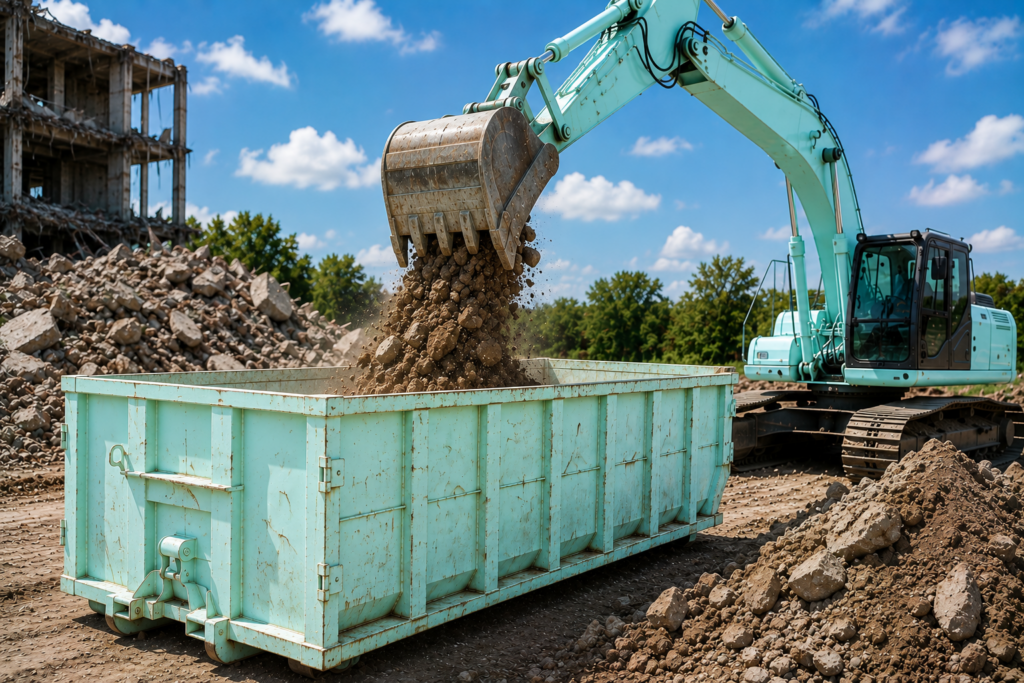
Disposing of heavy materials during projects like driveway removal, patio demolition, sidewalk replacement, or excavation requires careful planning. Unlike lighter debris, materials such as concrete, brick, asphalt, dirt, rock, and block can exceed dumpster weight limits before the container appears full. Selecting the right container and understanding weight restrictions help keep your project on schedule and prevent delays or extra costs. Talk with the Jettison Environmental team. Why Heavy Materials Require Special Planning Many construction materials are denser than they appear. Even a small amount of broken concrete or compacted dirt can weigh several tons. Filling a large dumpster with these materials may exceed legal highway weight limits. Waste haulers must comply with Department of Transportation (DOT) regulations on maximum vehicle weights. A dumpster may reach its hauling capacity even if it is not visibly full. Planning ahead ensures the container can be safely transported to the disposal facility. Common Heavy Materials Projects that generate heavy debris often include: Concrete slabs Sidewalks Driveways Brick and masonry Asphalt Stone Dirt and soil Sand Gravel Concrete block Pavers These materials often result from demolition, excavation, foundation work, hardscape projects, and commercial construction. Avoid Overloading a Dumpster A common mistake during demolition is loading heavy debris beyond the dumpster’s safe hauling weight. An overloaded dumpster may: Exceed DOT weight regulations Require material to be removed before pickup Delay project schedules Increase transportation costs Create unsafe hauling conditions Working with an experienced dumpster provider helps determine how much material should be placed in each container before pickup. Choosing the Right Dumpster The largest dumpster is not always the best choice for heavy debris. For concrete, brick, and dirt, smaller loads are often safer and more efficient, helping maintain legal transport weights. Multiple properly loaded dumpsters are often better than one overloaded container. The ideal dumpster size depends on: Type of material Estimated weight Project duration Available job site space Equipment used for loading Jettison Environmental can recommend the right dumpster size for your project requirements. Separate Materials Whenever Possible Separating heavy materials from general construction debris offers several advantages. Sorting materials may: Improve recycling opportunities Simplify disposal Reduce contamination Improve job site organization Speed unloading at the disposal facility If your project generates both demolition debris and recyclables, discuss your disposal plan before delivery to simplify the process. Safety Matters on Every Job Site Heavy debris poses extra hazards during loading. Workers should avoid dropping large pieces from excessive heights and distribute material evenly in the container. Whenever possible: Load heavier materials first. Spread weight evenly across the dumpster floor. Avoid stacking material above the top rail. Keep the loading area clean and stable. Follow all equipment safety procedures. These practices improve safety and protect the dumpster during loading and transport. Work with an Experienced Waste Management Partner Heavy material disposal involves more than renting a dumpster. It requires knowledge of transportation regulations, disposal requirements, acceptable materials, and weight limits. Jettison Environmental works with contractors, municipalities, demolition companies, landscapers, and property owners throughout Alabama to provide dependable waste management solutions for projects of every size. Whether you need a roll-off dumpster delivered or access to our Construction & Demolition landfills, our team can help you select the right solution before work begins. Keep Your Project Moving Concrete removal, excavation, and demolition projects progress faster when debris management is planned from the start. Choosing the right dumpster, following loading guidelines, and working with an experienced waste management company help prevent delays and keep your project safe and efficient. Contact Jettison Environmental today to learn more about roll-off dumpster rentals, construction debris disposal, and C&D landfill services throughout Alabama. FAQs – Best Practices Removing Heavy Construction Materials Q: Why can’t I completely fill a dumpster with concrete or dirt? A: Concrete, dirt, brick, and similar materials are extremely dense. A dumpster may reach its legal hauling weight long before it appears full, so these materials often require partial loads. Q: Can concrete, brick, and asphalt be placed in the same dumpster? A: In many cases, yes. However, depending on your project and disposal requirements, separating certain materials may improve recycling opportunities and simplify disposal. Jettison Environmental can recommend the best approach. Q: What happens if my dumpster is overweight? A: An overweight dumpster may not be legally transported until excess material is removed. This can delay pickup and potentially result in additional service charges. Q: Is dirt considered construction debris? A: Dirt generated during excavation or construction projects is often handled differently than general construction debris due to its weight. Discuss your project with our team before scheduling your dumpster. Q: Can Jettison Environmental help determine the right dumpster size? A: Yes. Our experienced team can recommend the appropriate dumpster size based on the type of material, estimated volume, project duration, and expected weight.
Contractor’s Guide to Using Roll-Off Dumpsters for Construction Projects
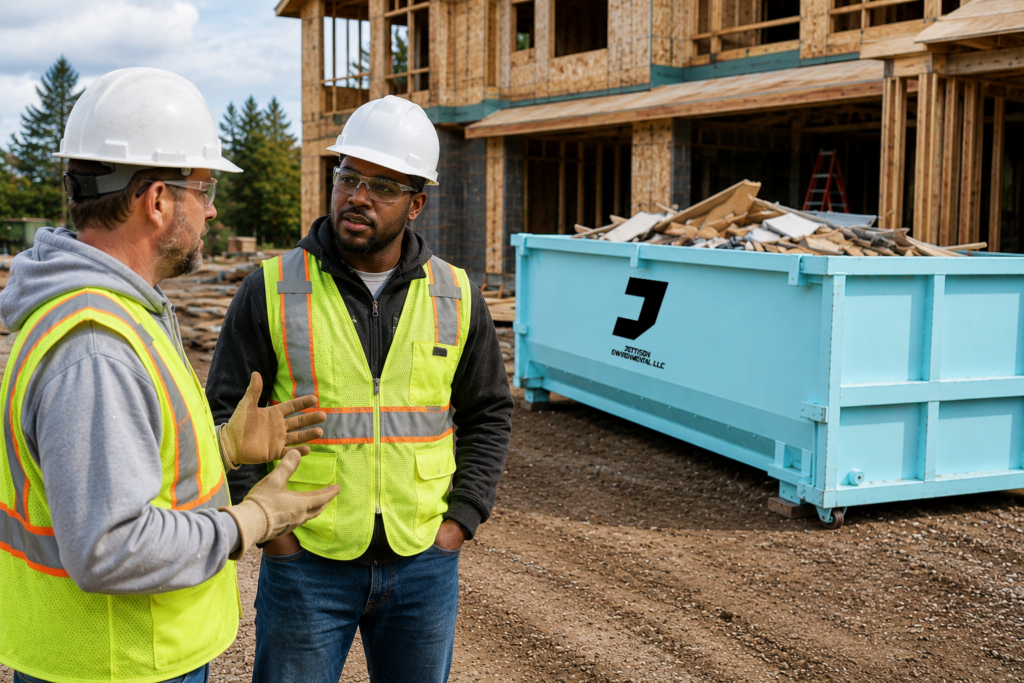
Construction projects generate significant amounts of waste, from demolition debris and scrap materials to packaging, drywall, roofing shingles, lumber, and concrete. Whether you’re managing a residential renovation, commercial buildout, roofing project, or large-scale construction site, having a reliable waste management plan is necessary for maintaining productivity, safety, and compliance. One of the most effective solutions for construction waste management is a roll-off dumpster. These large, open-top containers provide a convenient way to collect, contain, and remove debris throughout every phase of a project. This contractor’s guide explains how roll-off dumpsters help construction crews operate more efficiently, reduce jobsite hazards, and keep projects on schedule. Why Construction Projects Need Roll-Off Dumpsters Construction sites can quickly become cluttered when debris accumulates. Without a designated disposal solution, materials often pile up around work areas, creating safety risks and slowing production. A roll-off dumpster delivers a centralized location for waste disposal, helping contractors: Maintain cleaner jobsites Improve worker safety Reduce trip and fall hazards Increase productivity Streamline debris removal Meet project deadlines Comply with local disposal regulations By keeping waste organized and contained, contractors can focus on completing the project rather than managing debris. Common Types of Construction Waste Construction projects produce a wide variety of materials that require proper disposal. Typical construction debris includes: Wood and lumber Drywall and sheetrock Roofing materials Concrete and brick Asphalt Flooring materials Metal scraps Siding and insulation Packaging materials Pallets and crates General construction debris The type and volume of waste generated will influence the size and number of dumpsters required throughout the project. Choosing the Right Roll-Off Dumpster Size Selecting the appropriate dumpster size is one of the most important decisions contractors make. 10-Yard Dumpster Ideal for: Small renovations Bathroom remodels Minor demolition projects Concrete disposal 20-Yard Dumpster Ideal for: Roofing projects Medium-sized renovations Deck removals Residential construction 30-Yard Dumpster Ideal for: New home construction Commercial renovations Large demolition projects Major remodeling jobs 40-Yard Dumpster Ideal for: Large commercial construction Industrial projects Multi-phase developments High-volume waste generation Working with an experienced dumpster provider helps ensure you select the right container size and avoid costly overages or unnecessary hauls. Benefits of Roll-Off Dumpsters on Construction Sites Improved Jobsite Safety Construction debris can create dangerous working conditions. Loose materials, nails, broken concrete, and discarded packaging increase the risk of injuries. A roll-off dumpster encourages workers to dispose of debris immediately, reducing clutter and improving overall site safety. Increased Productivity When workers spend less time hauling debris across the site or making trips to disposal facilities, they can focus on project tasks. Having a conveniently located dumpster allows crews to maintain workflow efficiency throughout the day. Simplified Waste Management Construction managers already coordinate labor, materials, inspections, and schedules. A roll-off dumpster simplifies one aspect of the project by providing a designated waste collection point and scheduled removal service. Better Site Appearance Clean jobsites create a more professional appearance for clients, inspectors, project owners, and neighboring businesses or residents. Organized waste management reflects positively on contractors and project managers. Regulatory Compliance Many municipalities and construction contracts require correct waste handling and disposal procedures. Roll-off dumpsters help contractors maintain compliance while ensuring debris is transported to approved disposal facilities. Best Practices for Using Roll-Off Dumpsters To maximize efficiency and avoid additional costs, contractors should follow several best practices. Position the Dumpster Strategically Place dumpsters close to active work areas while maintaining safe access for equipment and delivery vehicles.Consider: Truck accessibility Worker convenience Traffic flow Safety clearances Ground stability Proper placement minimizes labor and improves site efficiency. Avoid Overloading Overfilled dumpsters can create safety concerns and may violate transportation regulations. Materials should never extend above the top rail of the container.Distribute debris evenly and monitor fill levels regularly to avoid additional charges. Separate Recyclable Materials Many construction materials can be recycled, including: Metal Concrete Brick Asphalt Cardboard Certain wood products Separating recyclable materials may help reduce disposal costs while supporting green objectives. Schedule Hauls in Advance Large projects often require multiple dumpster exchanges throughout the construction timeline. Coordinating pickups and replacements ahead of time helps prevent workflow interruptions and ensures containers remain available when needed. Roll-Off Dumpsters for Different Construction Projects Residential Construction Builders and remodelers use roll-off dumpsters for: Home additions Kitchen remodels Whole-house renovations New home construction Demolition projects Commercial Construction Commercial contractors rely on dumpsters for: Tenant buildouts Office renovations Retail construction Restaurant projects Facility upgrades Roofing Projects Roof replacements generate significant amounts of shingles and underlayment materials. Roll-off dumpsters provide a safe and efficient collection point for roofing debris. Demolition Projects Demolition projects often produce large volumes of concrete, brick, metal, and mixed debris that require dependable waste removal solutions. Partner with a Reliable Waste Management Provider Successful construction projects depend on reliable vendors. Choosing a dumpster rental company with experience serving contractors can make a significant difference in your project’s efficiency. Look for a provider that offers: Multiple dumpster sizes Flexible rental periods Prompt delivery and pickup Reliable customer service Construction industry experience Responsible disposal practices Working with a trusted waste management partner helps contractors stay on schedule and maintain a safe, productive jobsite. Construction Waste Management Made Simple Roll-off dumpsters are one of the most valuable tools on any construction site. They improve safety, increase efficiency, simplify waste handling, and help contractors maintain professional, organized jobsites. Whether you’re building a new commercial facility, renovating a home, replacing a roof, or managing a demolition project, having the right dumpster in place keeps your project moving forward. Jettison Environmental provides dependable roll-off dumpster rentals and waste management solutions for construction projects of all sizes. With a variety of container options and responsive service, contractors can focus on completing their projects while Jettison handles the debris. FAQs – Roofing Dumpster Rental Q: What size roll-off dumpster is best for a construction project? A: The ideal size depends on the project scope. Smaller renovations may require a 10-yard dumpster, while large commercial projects often use 30-yard or 40-yard containers. Q: Can construction debris be recycled? A: Yes. Materials such
Benefits of Compacting Dumpsters for Businesses
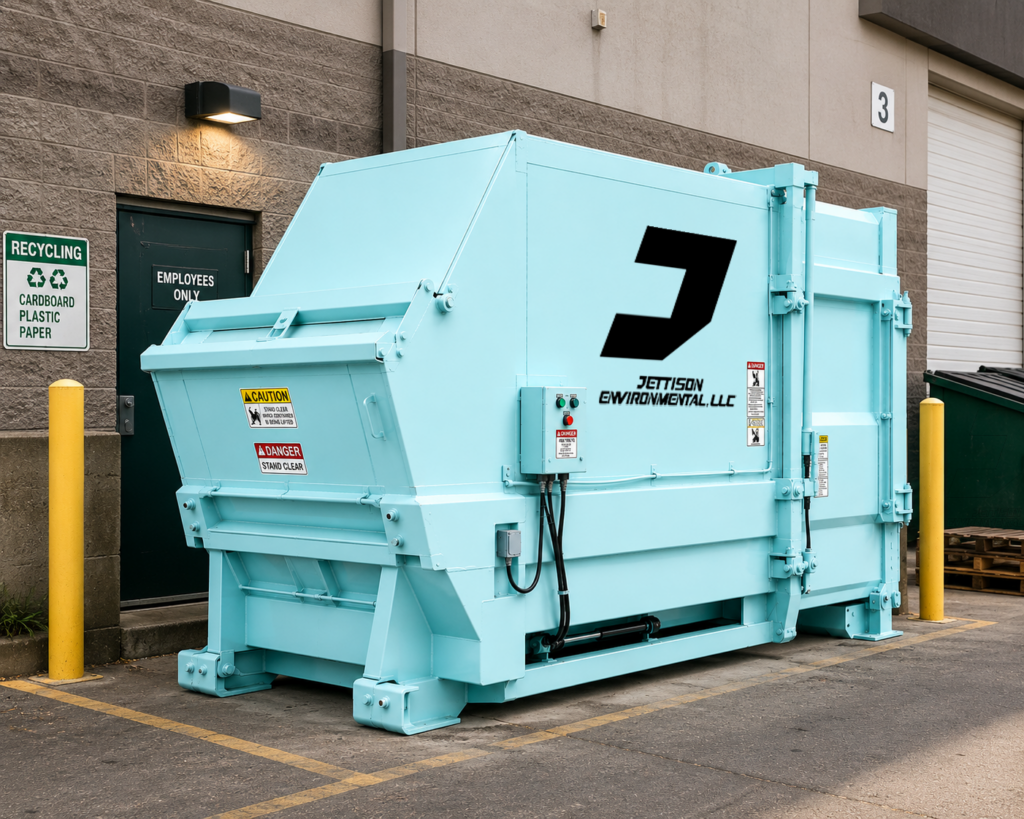
For businesses that generate a significant amount of waste, a compacting dumpster can be one of the most effective ways to reduce disposal costs, improve site cleanliness, and streamline waste management operations. Unlike traditional dumpsters, compacting dumpsters compress waste, allowing more debris to fit in the same container and reducing pickup frequency. What Is a Compacting Dumpster? A compacting dumpster combines a waste container with a built-in compactor that compresses trash as it is deposited. By reducing the volume of waste, businesses are able to maximize container capacity and minimize hauling expenses.Compacting dumpsters are commonly used by: Retail stores Manufacturing facilities Distribution centers Restaurants Hotels Hospitals Apartment communities Shopping centers Office complexes Lower Waste Disposal Costs One of the biggest advantages of a compacting dumpster is the opportunity to reduce waste management costs.Because waste is compressed: More material fits into each container Fewer waste pickups are required Transportation costs are reduced Landfill tipping fees may be lowered Many businesses find that a compacting dumpster allows them to replace multiple traditional dumpsters with a single container. Fewer Waste Collection Trips Reducing the number of hauls can create operational and financial benefits.Benefits include: Less truck traffic on-site Reduced fuel consumption Cut carbon emissions Fewer disruptions to daily operations Improved scheduling options For facilities with high waste volumes, fewer pickups can result in substantial annual savings. Improved Site Appearance Overfilled dumpsters can negatively impact a property’s appearance and create an unpleasant environment for customers, employees, and visitors.Compacting dumpsters help: Prevent overflowing containers Reduce visible trash accumulation Keep loading areas cleaner Improve curb appeal Maintain a more professional appearance This is especially important for retail centers, restaurants, and hospitality properties where customer impressions are important. Better Odor Control Compacting waste helps contain garbage within the container, reducing exposure to the elements and reducing odors.Benefits include: Less attraction for pests Reduced litter from wind-blown debris Improved sanitation Better overall site cleanliness Businesses handling food waste often see considerable improvements in odor management. Enhanced Workplace Safety Excess trash around a property can create safety hazards.Compacting dumpsters help reduce: Trip hazards Clutter around loading docks Fire risks associated with accumulated waste Unauthorized dumping A cleaner waste management area contributes to a safer work environment. Increased Waste Handling Effectiveness Employees spend less time managing overflowing containers and coordinating emergency pickups.Advantages include: Faster waste disposal processes Reduced labor requirements More organized waste collection areas Improved operational efficiency Facilities managers often appreciate the simplicity of managing a single compacting dumpster versus multiple traditional containers. Environmental Benefits Compacting dumpsters support sustainability initiatives by reducing transportation needs and improving waste management efficiency.Environmental benefits include: Fewer collection vehicle trips Reduced fuel consumption Lower greenhouse gas emissions Better waste containment Support for recycling programs when paired with separate recycling containers Organizations focused on eco-friendly targets usually incorporate compacting dumpsters into their waste control strategies. Ideal for High-Volume Waste Generators Compacting dumpsters are especially useful for businesses that generate large quantities of: Cardboard Packaging materials General commercial waste Manufacturing byproducts Retail debris Food service waste The higher the waste volume, the greater the possible return on investment. Choosing the Right Compacting Dumpster When evaluating a compacting dumpster solution, consider: Average monthly waste volume Available space on-site Type of waste generated Utility requirements Pickup frequency needs Sustainability goals A waste management provider can help determine the appropriate compactor size and service schedule for your operation. To Sum Up Compacting dumpsters provide a workable solution for businesses seeking to reduce waste management costs, improve operational efficiency, and maintain cleaner facilities. By compressing waste while maximizing container capacity, organizations can benefit from fewer pickups, lower expenses, improved site appearance, and enhanced environmental performance. Whether you operate a retail center, manufacturing facility, restaurant, or commercial property, a compacting dumpster can be a beneficial investment that deliver both immediate and long-term benefits. FAQs – Benefits of a Compacting Dumpster Q: What is a compacting dumpster? A: A compacting dumpster is a waste container equipped with a built-in compactor that compresses trash and debris. This allows businesses to fit more waste into a single container and reduce the frequency of waste pickups. Q: How much can a compacting dumpster reduce waste volume? A: Depending on the type of waste being generated, compacting dumpsters can reduce waste volume by up to 75%, allowing businesses to maximize container capacity and lower hauling costs. Q: What types of businesses benefit most from compacting dumpsters? A: Retail stores, warehouses, manufacturing facilities, restaurants, hotels, apartment complexes, hospitals, office buildings, and distribution centers often benefit from compacting dumpsters due to their higher waste volumes. Q: Can a compacting dumpster help reduce waste disposal costs? A: Yes. By compressing waste and reducing the number of required pickups, businesses can often lower transportation, hauling, and landfill disposal costs. Q: Are compacting dumpsters environmentally friendly? A: Yes. Because compacting dumpsters reduce the number of collection trips needed, they help lower fuel consumption and greenhouse gas emissions associated with waste transportation. Q: What materials can be placed in a compacting dumpster? A: Most compacting dumpsters are designed for general commercial waste, cardboard, packaging materials, paper products, and other non-hazardous waste streams. Specific acceptable materials may vary by provider. Q: Do compacting dumpsters require electricity? A: Most stationary compactors require an electrical connection to operate. Self-contained compactors may have different power requirements depending on the equipment model. Q: How often does a compacting dumpster need to be emptied? A: The frequency depends on waste volume and business operations. Because waste is compressed, most businesses require fewer pickups compared to traditional dumpsters. Q: Can compacting dumpsters help keep a property cleaner? A: Yes. Compacting dumpsters help prevent overflow, reduce litter, minimize odors, and discourage pests by keeping waste contained within the unit. Q: What is the difference between a traditional dumpster and a compacting dumpster? A: A traditional dumpster simply stores waste, while a compacting dumpster compresses waste to maximize capacity. This often results in fewer pickups and lower waste management costs.
Manufacturing & Plant Facility Dumpster Rental for Industrial Waste Management
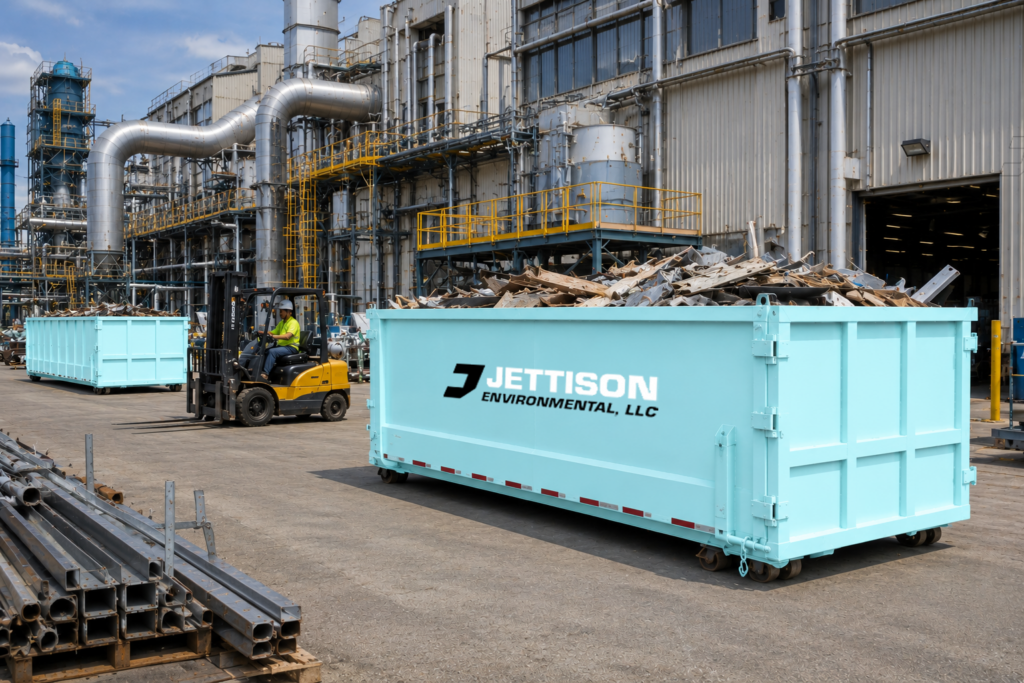
Industrial facilities generate some of the highest volumes of waste in the commercial sector. From metal scraps and packaging materials to production debris and construction waste during plant upgrades, manufacturing operations require dependable waste management solutions that can keep pace with demanding production schedules. For industrial plants throughout Alabama, reliable dumpster rental services are essential for maintaining operational efficiency, workplace safety, and regulatory compliance. Jettison Environmental provides industrial dumpster rentals and waste management services designed specifically for manufacturing plants, processing facilities, warehouses, fabrication operations, and large-scale industrial properties requiring consistent debris removal and heavy material disposal. Industrial Facilities Generate Unique Waste Management Challenges Manufacturing and production environments create waste streams that differ significantly from standard commercial operations. Industrial facilities often produce large volumes of heavy debris, oversized materials, pallets, packaging waste, scrap metal, damaged inventory, construction materials, and production byproducts that require specialized handling and disposal planning. Without a structured waste management strategy, debris accumulation can quickly interfere with production flow, reduce available workspace, create safety hazards, and impact operational efficiency. Industrial facilities commonly require dumpster rental support for: Production line waste removal Facility expansion and renovation projects Scrap material disposal Heavy debris removal Equipment replacement projects Warehouse cleanouts Packaging and pallet disposal Construction and demolition debris Shutdown and turnaround projects Ongoing facility maintenance operations Choosing the right industrial dumpster rental provider helps manufacturing facilities maintain cleaner, safer, and more organized operations while reducing downtime caused by inefficient waste handling. Roll-Off Dumpsters Designed for Industrial Operations Manufacturing facilities often require larger-capacity roll-off dumpsters capable of handling considerable waste volumes and heavy materials. Jettison Environmental offers industrial roll-off dumpster solutions suitable for both temporary projects and long-term waste management programs. Heavy Material Disposal Industrial plants regularly dispose of dense materials, including metal, concrete, wood, piping, machine parts, and production waste. Proper dumpster sizing helps facilities safely manage these materials without disrupting operations. Facility Renovation Projects Plant upgrades, production line changes, warehouse modifications, and equipment installations generate significant debris volumes. Roll-off dumpsters provide centralized waste containment, helping maintain safer work environments during active projects. Ongoing Production Waste Management Many manufacturing facilities require scheduled dumpster service to handle continuous waste output from daily operations. Reliable pickup scheduling helps prevent overflow issues and operational interruptions. Plant Shutdowns & Turnarounds Scheduled shutdowns often create large amounts of debris from maintenance work, equipment replacement, demolition, and cleanup activities. Industrial dumpster rentals support optimal project execution while minimizing site congestion. Safety & Compliance Matter in Industrial Waste Disposal Industrial facilities operate under strict safety and environmental standards. Improper waste handling can create compliance risks, workplace hazards, and operational inefficiencies. Organized waste containment and timely debris removal play an important role in maintaining compliant and productive facilities. Key considerations for industrial waste management include: Safe handling of heavy debris Reducing trip and fire hazards Maintaining OSHA-conscious work environments Supporting organized production areas Avoiding overflow and site congestion Coordinating scheduled waste pickups Handling large-scale disposal efficiently A knowledgeable waste management partner understands the importance of responsiveness, scheduling flexibility, and reliable service for industrial environments in which downtime can be costly. Dumpster Rental Solutions for Multiple Industrial Sectors Manufacturing and industrial facilities across multiple sectors rely on dependable waste container rental services to sustain operational efficiency. Industries commonly served include: Manufacturing plants Distribution centers Warehouses Fabrication facilities Food processing facilities Industrial maintenance contractors Logistics operations Construction material plants Production facilities Industrial property management companies Every facility has unique waste disposal requirements, making customized dumpster sizing and service scheduling important for long-term operational success. Choosing the Proper Dumpster Size for Industrial Projects Industrial facilities often underestimate the amount of debris generated during production changes, renovations, or maintenance shutdowns. Selecting the proper dumpster size helps avoid unnecessary haul-offs and operational delays. Larger roll-off containers are commonly recommended for: Plant cleanouts Equipment replacement projects Warehouse renovations Manufacturing debris removal Construction and demolition waste Long-term industrial waste collection An experienced dumpster rental provider can help facilities determine the most efficient container sizes based on debris type, project duration, and anticipated waste volume. Reliable Industrial Dumpster Rental Services in Alabama Manufacturing facilities need waste management providers that understand industrial operations, scheduling demands, and high-volume disposal requirements. Delayed pickups or insufficient container capacity can negatively impact production efficiency and workplace organization. Jettison Environmental works with industrial and manufacturing clients throughout Alabama to provide dependable roll-off dumpster rental services developed for large-scale commercial and industrial applications. Whether supporting ongoing plant operations, major renovations, warehouse cleanouts, or industrial construction projects, having a responsive waste management partner helps facilities maintain cleaner, safer, and more efficient working environments. Why Manufacturing Facilities Choose Jettison Environmental Industrial operations often require: Reliable dumpster delivery and pickup Adjustable scheduling options Large-capacity containers Support for heavy debris disposal Responsive customer service Waste management solutions developed to industrial environments Local experience serving Alabama businesses For manufacturing plants and industrial facilities, optimal waste handling is more than convenience. It directly supports productivity, safety, and operational performance. Rely On Jettison Environmental Manufacturing and industrial facilities require waste management solutions equipped to handle large volumes of debris and heavy materials, as well as demanding operational schedules. Proper dumpster rental services help to organize facilities, improve safety, and support efficient production environments. Jettison Environmental provides industrial dumpster rental and waste management services for manufacturing plants, warehouses, industrial facilities, and production operations throughout Alabama. From facility cleanouts to ongoing industrial debris removal, dependable roll-off dumpster solutions help keep industrial projects moving efficiently. FAQs – Industrial Waste Management Q: What types of industrial waste can roll-off dumpsters handle? A: Industrial roll-off dumpsters are commonly used for construction debris, scrap materials, packaging waste, wood, metal, pallets, concrete, warehouse debris, and general industrial cleanup materials. Certain hazardous materials may require specialized disposal procedures. Q: What dumpster sizes are best for manufacturing facilities? A: The ideal dumpster size depends on the volume and type of debris being generated. Large manufacturing projects, facility renovations, and industrial cleanouts often require higher-capacity roll-off containers to reduce service interruptions. Q: Can dumpsters be scheduled for ongoing industrial waste
Roofing Dumpster Rental for Shingle Disposal & Roofing Debris Removal
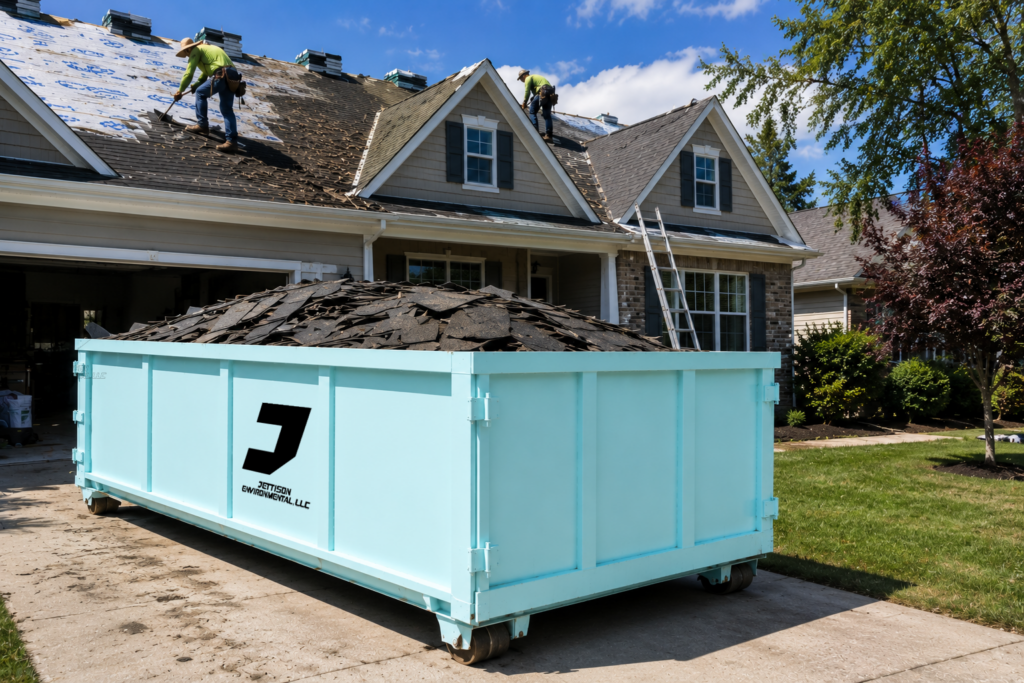
Roofing projects generate large amounts of heavy debris in a short period of time. From residential roof replacements to large commercial roofing tear-offs, contractors need dependable dumpster rental services that can handle shingles, underlayment, flashing, wood decking, nails, and construction debris efficiently. Without correct waste management planning, roofing debris can quickly create unsafe job sites, delay project schedules, and increase cleanup costs. Jettison Environmental provides dumpster rental services for roofing contractors, construction crews, property managers, and homeowners throughout Alabama who need reliable shingle disposal and roofing debris removal. Roofing Projects Generate Heavy Debris Quickly Unlike many construction projects, roofing tear-offs create concentrated debris loads within a very short timeframe. Asphalt shingles alone can weigh several tons, depending on roof size and material layers. Roofing contractors require dumpsters strategically placed for easy loading while maintaining safe access around the property. Common roofing debris includes: Asphalt shingles Metal roofing materials Tile roofing debris Underlayment and felt paper Flashing and drip edge materials Roofing nails and fasteners Damaged plywood and decking Packaging materials Gutters and trim components General construction debris Efficient debris removal helps roofing crews work faster while maintaining cleaner and safer job sites. Why Roofing Contractors Use Rental Dumpsters Roofing contractors operate on tight schedules where delays can impact multiple projects. Reliable dumpster delivery and pickup are essential to maintaining workflow and avoiding material overflow on active job sites. A dedicated roofing dumpster rental provider helps contractors: Keep roofing projects organized Reduce debris buildup Improve job site safety Speed up cleanup operations Minimize project downtime Handle heavy shingle disposal efficiently Maintain cleaner residential and commercial properties Timely dumpster service allows roofing crews to focus on installation work instead of debris handling logistics. Shingle Disposal Requires Correct Waste Handling Asphalt shingles are among the heaviest materials generated during roofing projects. Multiple roof layers, wet shingles, and large tear-offs can quickly create significant disposal weight. Choosing the correct dumpster size is critical for both efficiency and cost control. Residential Roof Replacement Projects Home roofing projects generate large amounts of shingles, plywood, flashing, and construction debris. Roll-off dumpsters help contain materials safely while simplifying cleanup throughout the project. Commercial Roofing Tear-Offs Commercial roofing systems often involve larger debris volumes and heavier materials. Contractors require high-capacity dumpster solutions that can accommodate larger crews and extended project schedules. Storm Damage Roofing Cleanup Severe weather events frequently create emergency roofing debris removal needs. Fast dumpster delivery helps contractors manage storm cleanup efficiently while keeping properties safer. New Construction Roofing Projects Roofing installations on new construction sites generate packaging materials, scrap roofing products, pallets, and excess materials that require organized disposal solutions. Choosing the Right Dumpster Size for Roofing Projects Dumpster sizing depends on roof size, material type, and the number of roofing layers being removed. Underestimating debris volume can result in overloaded containers, additional haul-offs, or project delays. Factors that influence roofing dumpster sizing include: Square footage of the roof Number of roofing layers Type of roofing material Presence of damaged decking Commercial vs residential applications Volume of associated construction debris Experienced dumpster rental providers help contractors select the most efficient container size based on project requirements and disposal needs. Safe Roofing Debris Removal Matters Roofing job sites can become hazardous when debris accumulates around the work area. Nails, sharp materials, broken shingles, and loose debris create safety risks for workers, property owners, and pedestrians. Organized dumpster placement helps: Reduce trip hazards Contain loose roofing materials Simplify cleanup operations Protect landscaping and property areas Improve overall site organization Maintain safer work environments Proper debris management also helps roofing contractors present a more professional and organized appearance on residential and commercial projects. Roofing Dumpster Rentals for Residential & Commercial Contractors Roofing contractors across Alabama rely on dependable dumpster rental services for projects ranging from small residential roof replacements to large-scale commercial roofing operations. Industries commonly using roofing dumpsters include: Residential roofing contractors Commercial roofing companies General contractors Property management companies Construction companies Storm restoration contractors Industrial roofing crews Multi-family housing contractors Flexible scheduling and responsive service are especially important for roofing projects that are exposed to varying weather conditions and changing timelines. Why Contractors Choose Jettison Environmental Roofing contractors require waste management partners that understand the pace and demands of roofing projects. Delayed pickups or insufficient container capacity can slow production and create complications on active jobsites. Jettison Environmental provides: Reliable roll-off dumpster delivery Adjustable pickup scheduling Support for heavy shingle disposal Dumpster solutions for residential and commercial roofing Responsive local service throughout Alabama Large-capacity containers for roofing debris removal Dependable dumpster service helps roofing contractors complete projects more quickly while maintaining cleaner, safer worksites. Call Jettison Environmental Today Roofing projects generate large volumes of heavy debris that require organized and efficient disposal solutions. From residential roof tear-offs to large commercial roofing projects, reliable dumpster rental services help contractors improve workflow, maintain safer job sites, and simplify cleanup operations. Jettison Environmental provides roofing dumpster rental and shingle disposal services throughout Alabama to roofing contractors, construction companies, property managers, and homeowners who need dependable roofing debris removal. FAQs – Roofing Dumpster Rental Q: What materials can be placed in a roofing dumpster rental? A: Roofing dumpsters commonly handle asphalt shingles, metal roofing, underlayment, flashing, plywood decking, gutters, roofing nails, and general roofing construction debris. Q: Why are roofing dumpsters important for roofing contractors? A: Roofing dumpsters help contractors manage heavy debris efficiently, improve job site safety, reduce cleanup time, and maintain organized work environments during roofing projects. Q: How heavy are asphalt shingles during disposal? A: Asphalt shingles are extremely heavy, especially during large tear-offs or when multiple roofing layers are removed. Proper dumpster sizing helps safely manage disposal weight. Q: Can roofing dumpsters be used for commercial roofing projects? A: Yes. Roll-off dumpsters are commonly used for both residential and commercial roofing projects, including large-scale roof replacements and commercial tear-offs. Q: Does Jettison Environmental provide roofing dumpster rentals throughout Alabama? A: Yes. Jettison Environmental provides roofing dumpster rental and roofing debris removal services for contractors and property
Restroom Trailers for Events & Weddings: Elevating Comfort, Cleanliness, and Guest Experience

When planning an outdoor event or wedding, details matter. From the venue and décor to catering and entertainment, every element contributes to the overall experience. One often overlooked component is restroom accommodations. Jettison Environmental is helping event planners, venues, and couples improve their events with premium restroom trailer rentals built for comfort, cleanliness, and convenience. Why Restroom Trailers Matter for Events Standard portable toilets may be suitable for construction sites, but they rarely meet the expectations of guests attending weddings, festivals, or corporate events. Restroom trailers offer a significantly upgraded experience, with features that align with the atmosphere and quality of your event. Key benefits include: Climate-controlled interiors for all-season comfort Running water sinks with mirrors and lighting Spacious, private stalls for improved usability Clean, modern design which complements upscale events Reliable sanitation for large guest counts For weddings in particular, restroom trailers ensure guests remain comfortable throughout the ceremony and reception—without detracting from the ambiance. Ideal for Weddings, Private Events, and Large Gatherings Restroom trailers are a practical solution for a wide range of events, including: Outdoor weddings and receptions Festivals and community events Corporate events and grand openings Sporting events and tournaments Private parties and large family celebrations Whether your event is held at a rural venue, private property, or an outdoor space without permanent facilities, restroom trailers offer a comfortable solution. Planning for Guest Count and Duration One of the most important considerations when renting restroom trailers is matching capacity to your event size and duration. Underestimating restroom needs can lead to long lines and diminished guest experience. Jettison Environmental works closely with event planners to determine: The appropriate number of units based on guest count Placement for optimal accessibility and flow Service schedules for multi-day or high-volume events Coordination with other event services, including waste management This level of planning helps ensure your event runs smoothly from start to finish. Cleanliness, Maintenance, and Reliability Clean, well-maintained restrooms are essential for any successful event. Jettison Environmental prioritizes sanitation and service reliability, providing: Thorough cleaning and inspection before delivery On-site servicing options for extended events Prompt delivery and pickup scheduling Professional setup to ensure proper operation This regard for detail allows event hosts to focus on their guests—not logistics. Pairing Restroom Trailers with Full Event Services In addition to restroom trailers, Jettison Environmental offers comprehensive event support, including: Roll-off dumpsters for event waste management Front-load dumpsters for ongoing service needs Recycling solutions for eco-friendly events By bundling services, event organizers can streamline logistics and work with a single, dependable provider. Make Your Event Comfortable and Memorable Whether you’re planning an elegant outdoor wedding or a sizable public event, restroom trailers play a key role in guest satisfaction. Providing high-quality facilities reflects positively on your event and delivers a more enjoyable experience for everyone involved. With the right planning and the right partner, your event can deliver both design and utility, down to the smallest detail. FAQs – Renting Event Restroom Trailers Q: Why should I choose a restroom trailer instead of standard portable toilets for an event? A: Restroom trailers offer a more comfortable and upscale experience with features like climate control, running water, lighting, and ample interiors, rendering them ideal for weddings and formal events. Q: How many restroom trailers do I need for my event? A: The number of trailers depends on your guest count, event duration, and type of event. A professional provider like Jettison Environmental can help determine the right setup. Q: Are restroom trailers suitable for outdoor weddings? A: Yes, restroom trailers are perfect for outdoor weddings and venues without permanent facilities, providing guests with a clean and comfortable restroom experience. Q: Do restroom trailers require power and water hookups? A: Many restroom trailers can connect to external power and water sources, but some units are self-contained. Requirements depend on the specific trailer and event setup. Q: Can restroom trailers be serviced during multi-day events? A: Yes, service options are available for longer events to ensure restrooms remain clean, stocked, and fully operational.
Jettison Environmental Expands Roll-Off Dumpster Inventory to Meet Growing Demand
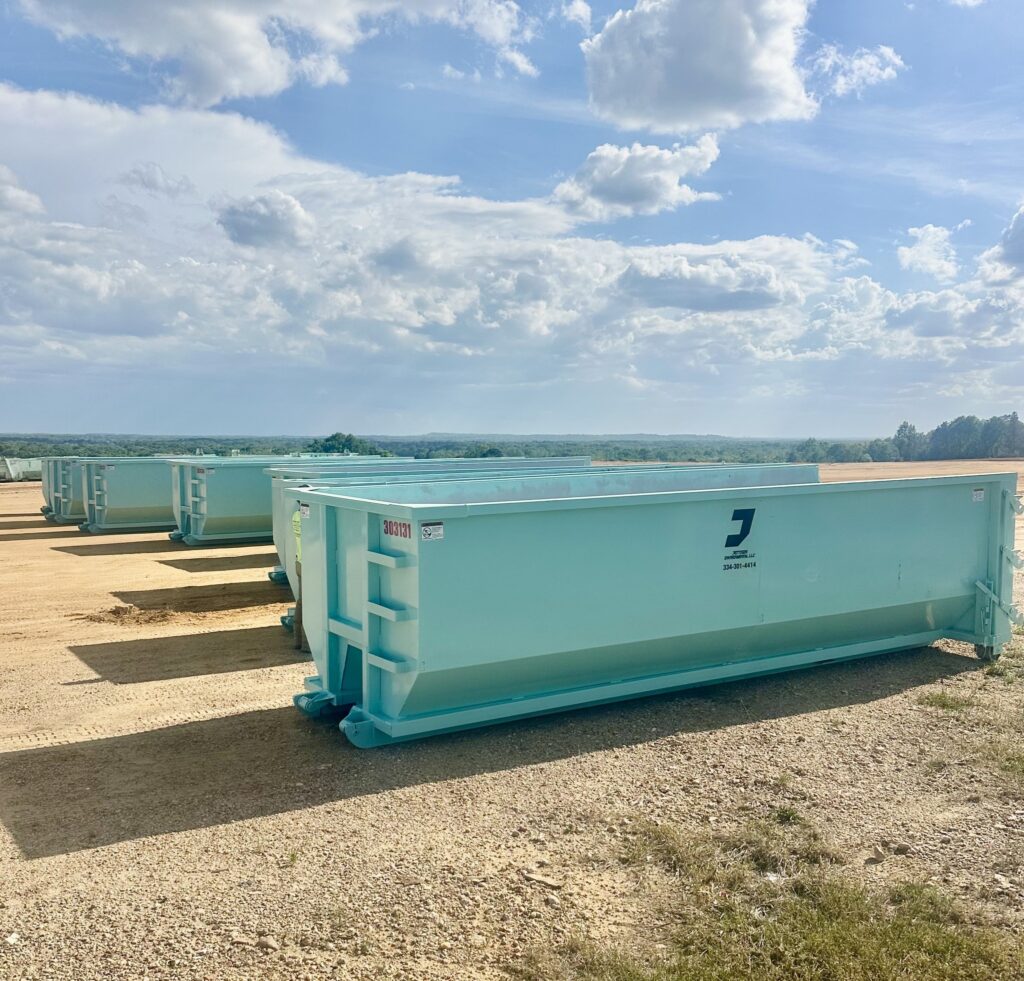
As construction projects ramp up and seasonal cleanups take priority, Jettison Environmental is making proactive steps to stay ahead of demand. With the recent arrival of additional roll-off dumpsters and expanded front-load inventory, the company is reinforcing its commitment to reliable, scalable waste management solutions across Central Alabama. More Roll-Off Dumpsters, Faster Project Turnarounds This rapid deployment highlights both strong local demand and the company’s operational capabilities. For contractors, property managers, and homeowners, this expansion translates to: Improved availability for large-scale projects Faster delivery times Reduced risk of scheduling delays Greater flexibility for ongoing or multi-phase jobs Roll-off dumpsters are an essential component for construction debris removal, demolition work, roofing projects, and large residential cleanouts. By increasing inventory, Jettison Environmental ensures customers can secure the right size container exactly when they need it. Supporting Growth Across Commercial and Residential Sectors The increase in inventory isn’t limited to roll-offs. Jettison Environmental has also expanded its lineup of front-load dumpsters, commonly used for: Retail and commercial waste management Apartment complexes and multi-family housing Office buildings and industrial facilities Ongoing recycling programs This combined investment in both roll-off and front-load containers positions the company to support a wider range of clients, from one-time project needs to long-term service agreements. Preparing for a Busy Spring and Summer Season Spring and summer are historically the busiest seasons for waste management services. Construction projects accelerate, property renovations increase, and outdoor cleanups become a priority. Jettison Environmental’s inventory expansion is a tactical move to meet this seasonal surge. Customers planning projects during this time benefit from: Greater scheduling availability Access to multiple dumpster sizes Streamlined delivery and pickup coordination Consistent service dependability during peak demand For businesses and contractors working on tight timelines, having dependable dumpster access can directly impact project productivity and overall costs. A Team Driving Momentum Behind the scenes, Jettison Environmental’s continued growth is driven by a responsive and experienced team. From sales coordination to logistics and dispatch, their emphasis stays on keeping projects moving without interruption. This operational strength allows the company to quickly allocate new inventory, manage high-volume requests, and maintain service quality even as demand increases. Why Early Scheduling Matters With demand rising, early scheduling becomes essential. Securing a roll-off dumpster in advance helps avoid delays and ensures the right equipment is available when your project begins. Whether you’re planning: A construction or demolition project A large residential cleanout A commercial waste management upgrade A seasonal landscaping or renovation job Jettison Environmental’s expanded inventory makes it easier to lock in service and stay on schedule. Reliable Waste Management, Scaled for Your Needs Jettison Environmental continues to invest in equipment, infrastructure, and service capabilities to better serve its growing customer base. The latest addition of roll-off and front-load dumpsters reflects a clear focus: delivering dependable, scalable waste solutions when and where they’re needed most. If you have a project on the horizon, now is the time to get ahead of the seasonal rush and secure your dumpster rental. FAQs – Jettison Is Expanding Dumpster Services Q: Why is Jettison Environmental increasing its roll-off dumpster inventory? A: The company is expanding its inventory to meet growing demand, specifically during peak construction and cleanup seasons. This ensures customers have better access to dumpsters when they need them. Q: What size roll-off dumpsters are available? A: Jettison Environmental offers multiple sizes, including 30-yard roll-off dumpsters that are ideal for large construction, demolition, and cleanout projects. Q: Who can benefit from roll-off dumpster rentals? A: Contractors, homeowners, property managers, and businesses all benefit from roll-off dumpsters for efficient waste removal. Q: What are front-load dumpsters used for? A: Front-load dumpsters are typically used for ongoing waste collection at commercial properties, apartment complexes, and retail locations. Q: When should I schedule a dumpster rental? A: It’s best to schedule as early as possible, especially during spring and summer, to ensure availability and avoid project delays.
Special Event Dumpster Rental Services

Waste Management for Festivals & Large Gatherings Large events bring communities together. Festivals, concerts, sporting events, charity fundraisers, and public celebrations create memorable experiences for attendees. However, behind every successful event is careful planning that ensures the venue remains clean, safe, and organized throughout the event. One of the most important logistical considerations for event planners is waste management. From food vendors and beverage stations to packaging, decorations, and general trash generated by thousands of attendees, waste can accumulate quickly. Jettison Environmental provides reliable special event dumpster rental services that help organizers manage this challenge effectively while maintaining a positive experience for guests. Why Waste Management Planning Is Critical for Large Events Event waste management is about more than simply placing a few trash cans around the venue. Festivals and large gatherings generate significant volumes of waste that must be collected, consolidated, and removed efficiently. Without a proper waste management plan, events may experience: Overflowing trash bins and littered event grounds Unsanitary conditions around food vendor areas Increased cleanup time after the event concludes Negative impressions for attendees and sponsors Potential compliance issues with local regulations Working with a professional waste management provider ensures dumpsters are strategically placed and available when needed to keep the event site clean and organized. Roll-Off Dumpsters for Event Waste Management Roll-off dumpsters are one of the most effective solutions for handling large volumes of waste generated during festivals and public events. These containers provide centralized waste collection points where maintenance crews and event staff can quickly dispose of accumulated trash. Event planners commonly use roll-off dumpsters for: Food and beverage vendor waste Packaging materials and cardboard Event setup and breakdown debris Crowd-generated trash from public areas Post-event cleanup operations Because roll-off dumpsters can be delivered and removed based on the event schedule, they provide the flexibility needed for temporary gatherings. Supporting Festivals, Concerts, & Public Events Special events often involve multiple waste streams and large crowds moving throughout the venue. A professional dumpster rental provider helps organizers coordinate waste removal so that cleanup crews can focus on maintaining the venue rather than searching for disposal solutions. Dumpster services for large events help support: Community festivals and seasonal celebrations Outdoor concerts and entertainment events Sporting tournaments and athletic competitions County fairs and large public gatherings Charity events and fundraising festivals With proper planning and the right equipment, event organizers can maintain a clean environment while minimizing disruption to guests. Keeping Event Venues Clean & Safe Cleanliness plays a major role in how attendees experience an event. Overflowing trash containers or scattered debris can quickly diminish the overall atmosphere and create safety concerns. Strategically placed dumpsters and a coordinated waste removal plan help ensure: Event grounds remain clean throughout the day Food service areas stay sanitary Cleanup crews can work efficiently behind the scenes Waste is consolidated and removed quickly after the event concludes These measures contribute to a safer, more enjoyable event for everyone involved. Flexible Dumpster Solutions for Event Organizers Every event is different. Some gatherings last a few hours, while others span multiple days and attract thousands of visitors. Flexible dumpster rental services allow organizers to select the container sizes and delivery schedules that best match their event needs. Whether supporting a weekend festival or a one-day community event, roll-off dumpsters provide the capacity required to handle large volumes of waste while keeping the venue organized. Reliable Waste Management for Successful Events Proper waste management helps ensure festivals and public events run smoothly from setup through cleanup. Jettison Environmental provides dependable dumpster delivery, responsive service, and flexible scheduling, so event planners can focus on creating a great experience for attendees while knowing waste management logistics are under control. For festivals, concerts, and public gatherings that generate significant waste, partnering with an experienced provider like Jettison Environmental ensures the equipment and support needed to keep event sites clean, safe, and ready for the next celebration. FAQs – Special Event Dumpster Rental Services Q: Why are roll-off dumpsters important for festivals and large public events? A: Festivals, concerts, and public gatherings generate large volumes of trash from food vendors, beverage containers, packaging, and attendee waste. Roll-off dumpsters provide centralized collection points that help event staff quickly remove trash, maintain a clean venue, and keep the event environment safe for guests. Q: What size dumpster is typically used for event waste management? A: A 20-yard roll-off dumpster is one of the most commonly used sizes for events. It provides significant waste capacity while still fitting within event staging areas, vendor zones, or service access points. Larger events may require multiple containers depending on attendance and the number of vendors. Q: Where should dumpsters be placed during a festival or large event? A: Dumpsters are usually placed in designated service areas that are easily accessible to cleanup crews but out of the main public traffic areas. Common placement locations include vendor service zones, backstage areas, near food vendor clusters, and near event exit points where waste tends to accumulate. Q: When should event organizers schedule dumpster delivery and pickup? A: Most event organizers schedule dumpster delivery before event setup begins so vendors and crews can dispose of packaging and setup materials. Pickup is typically scheduled shortly after the event concludes to remove accumulated waste and help restore the venue quickly. Q: What types of waste are commonly generated at festivals and public gatherings? A: Event waste often includes food packaging, beverage containers, cardboard boxes, decorations, plastic materials, disposable serving items, and general attendee trash. Proper waste planning helps ensure these materials are collected efficiently during the event. Q: How many dumpsters are needed for a large event or festival? A: The number of dumpsters required depends on the size of the event, number of vendors, expected attendance, and event duration. Larger festivals or multi-day events often require several roll-off dumpsters to ensure waste does not accumulate throughout the venue.
Property Management Dumpster Services

Reliable Waste Solutions for Apartment Complexes & HOAs Managing waste efficiently is one of the most important responsibilities for property managers, apartment communities, and homeowner associations. When waste collection systems fail or dumpsters are undersized, the result can quickly become overflowing trash areas, tenant complaints, sanitation issues, and unnecessary maintenance costs. For multi-family properties, reliable dumpster service is essential to maintaining a clean, organized, and professionally managed community. That is why many apartment complexes, HOAs, and property managers rely on Jettison Environmental for dedicated multi-family dumpster rental and roll-off services to keep their properties running smoothly. Why Roll-Off Dumpster Services Are Ideal for Multi-Family Properties While front-load dumpsters are common for routine waste collection, roll-off dumpsters provide flexible waste solutions for situations where standard dumpsters are not enough. Roll-off containers are commonly used by property managers for: Property cleanouts between tenant turnovers Large maintenance or renovation projects Roofing replacements for multi-building communities Landscape and property improvement projects Bulk trash removal events for residents Roll-off dumpsters can be delivered quickly and removed once the project is complete, allowing property managers to maintain a clean property without long-term equipment commitments. Benefits of Professional Dumpster Services for Apartment Communities Working with an experienced waste management provider offers several advantages for apartment complexes and HOAs. Improved Property Appearance Proper waste management prevents overflowing dumpsters and debris accumulation, helping maintain a clean, well-managed appearance that residents and prospective tenants appreciate. Better Tenant Satisfaction Residents expect waste areas to remain clean and accessible. Reliable dumpster services reduce complaints and improve the overall living experience. Efficient Property Maintenance Maintenance teams can dispose of construction debris, renovation materials, and bulk waste without leaving items piled around dumpsters or storage areas. Scalable Waste Solutions As properties grow or seasonal cleanup projects occur, additional roll-off dumpsters can be delivered to meet increased waste demands. Supporting Property Managers with Reliable Service Property managers need vendors they can rely on to deliver equipment on time and respond quickly when needs change. Reliable waste management providers help ensure: Timely dumpster delivery and pickup Flexible scheduling for property maintenance projects Appropriate dumpster sizes for multi-family properties Responsive service during busy cleanup periods These services help property managers focus on running their communities while knowing their waste management needs are handled professionally. Dumpster Services for HOAs and Community Management Homeowner associations often face unique waste management challenges, particularly during community cleanup events or seasonal maintenance projects. Roll-off dumpsters can help HOAs manage waste from: Neighborhood cleanup days Community landscaping improvements Storm debris removal Resident bulk item disposal events Providing residents with convenient disposal options encourages participation in cleanup efforts and helps keep neighborhoods attractive and well maintained. A Trusted Partner for Property Management Waste Solutions For property managers responsible for maintaining safe, attractive multi-family communities, reliable waste services are essential. Working with an experienced waste management provider ensures dumpsters are available when needed and projects stay organized from start to finish. With flexible dumpster rental options and dependable service, Jettison Environmental helps apartment complexes, HOAs, and property managers maintain clean, efficient properties while supporting ongoing maintenance and improvement projects. FAQs – Waste Solutions for Apartment Complexes Q: What type of dumpster service is best for apartment complexes? A: Apartment complexes typically use a combination of front-load dumpsters for routine trash collection and roll-off dumpsters for larger waste needs such as renovations, property cleanouts, roofing replacements, and landscaping projects. Roll-off dumpsters provide additional capacity when properties experience higher volumes of debris. Q: How do roll-off dumpsters help property managers during renovations or tenant turnover? A: Roll-off dumpsters make it easier for maintenance teams to dispose of furniture, flooring, drywall, appliances, and other debris generated during tenant turnover or renovation projects. Having a dedicated container onsite helps keep the property clean and allows crews to work more efficiently. Q: What size dumpster is typically used for apartment complex projects? A: A 20-yard roll-off dumpster is one of the most common sizes used for multi-family properties. It offers enough capacity for renovation debris, bulk trash removal, and maintenance waste while still fitting comfortably in most service areas or parking spaces. Q: Can HOAs use roll-off dumpsters for community cleanup events? A: Yes. Many homeowner associations schedule roll-off dumpster rentals during neighborhood cleanup days or seasonal maintenance projects. Providing a centralized container allows residents to dispose of bulky items, yard debris, and household waste in a convenient and organized way. Q: How can property managers prevent overflowing dumpsters at multi-family properties? A: Overflowing dumpsters can often be avoided by scheduling regular waste pickups, selecting the correct dumpster size, and using temporary roll-off containers during busy periods such as tenant move-outs, renovations, or seasonal cleanups. Q: What types of debris can be placed in a property management roll-off dumpster? A: Most roll-off dumpsters can accept construction debris, furniture, drywall, wood, flooring, yard waste, and general cleanup materials. However, hazardous materials, certain chemicals, and regulated waste items are typically restricted and require specialized disposal.