
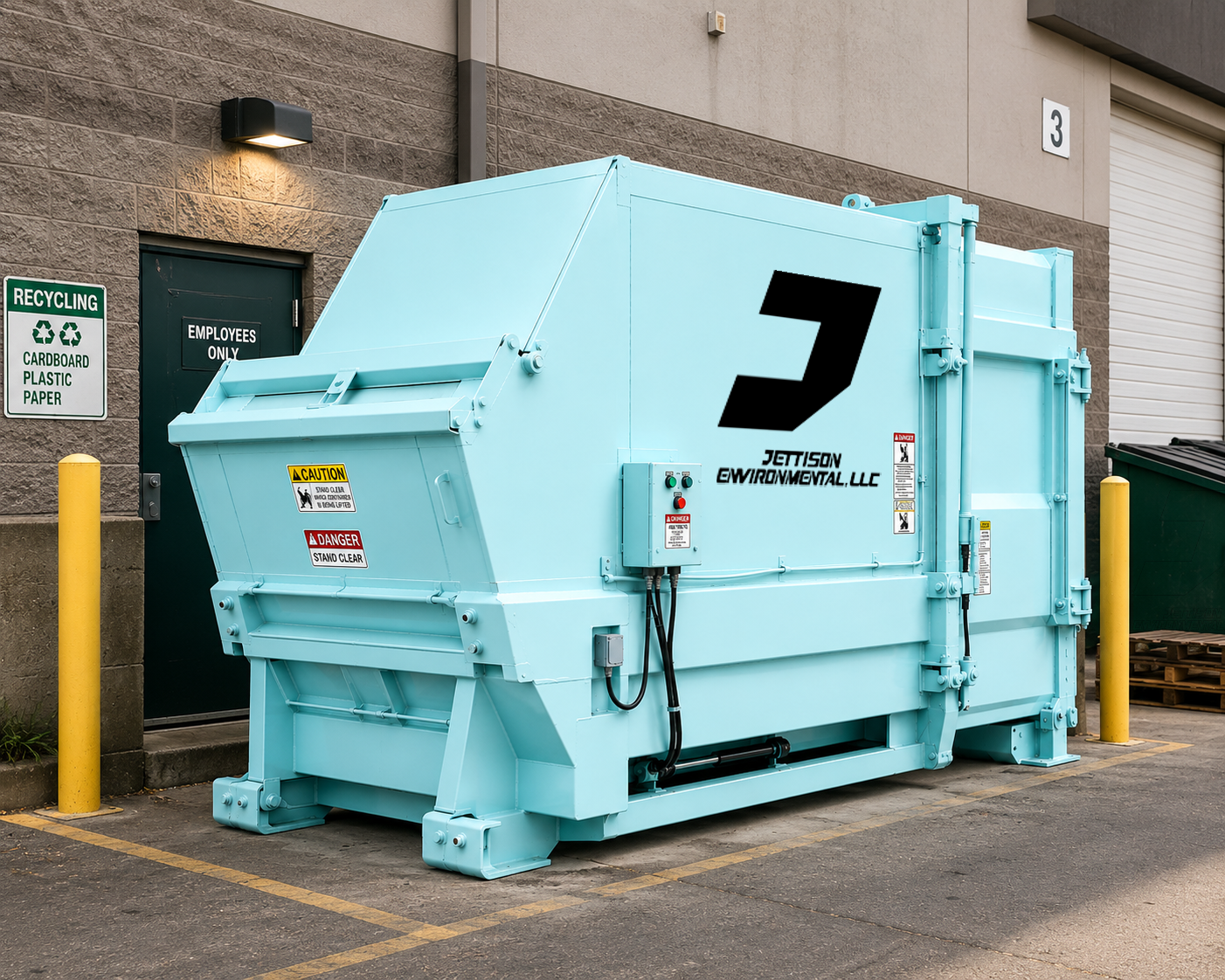
For businesses that generate a significant amount of waste, a compacting dumpster can be one of the most effective ways to reduce disposal costs, improve site cleanliness, and streamline waste management operations. Unlike traditional dumpsters, compacting dumpsters compress waste, allowing more debris to fit in the same container and reducing pickup frequency.
What Is a Compacting Dumpster?
A compacting dumpster combines a waste container with a built-in compactor that compresses trash as it is deposited. By reducing the volume of waste, businesses are able to maximize container capacity and minimize hauling expenses.
Compacting dumpsters are commonly used by:
- Retail stores
- Manufacturing facilities
- Distribution centers
- Restaurants
- Hotels
- Hospitals
- Apartment communities
- Shopping centers
- Office complexes
Lower Waste Disposal Costs
One of the biggest advantages of a compacting dumpster is the opportunity to reduce waste management costs.
Because waste is compressed:
- More material fits into each container
- Fewer waste pickups are required
- Transportation costs are reduced
- Landfill tipping fees may be lowered
Many businesses find that a compacting dumpster allows them to replace multiple traditional dumpsters with a single container.
Fewer Waste Collection Trips
Reducing the number of hauls can create operational and financial benefits.
Benefits include:
- Less truck traffic on-site
- Reduced fuel consumption
- Cut carbon emissions
- Fewer disruptions to daily operations
- Improved scheduling options
For facilities with high waste volumes, fewer pickups can result in substantial annual savings.
Improved Site Appearance
Overfilled dumpsters can negatively impact a property’s appearance and create an unpleasant environment for customers, employees, and visitors.
Compacting dumpsters help:
- Prevent overflowing containers
- Reduce visible trash accumulation
- Keep loading areas cleaner
- Improve curb appeal
- Maintain a more professional appearance
This is especially important for retail centers, restaurants, and hospitality properties where customer impressions are important.
Better Odor Control
Compacting waste helps contain garbage within the container, reducing exposure to the elements and reducing odors.
Benefits include:
- Less attraction for pests
- Reduced litter from wind-blown debris
- Improved sanitation
- Better overall site cleanliness
Businesses handling food waste often see considerable improvements in odor management.
Enhanced Workplace Safety
Excess trash around a property can create safety hazards.
Compacting dumpsters help reduce:
- Trip hazards
- Clutter around loading docks
- Fire risks associated with accumulated waste
- Unauthorized dumping
A cleaner waste management area contributes to a safer work environment.
Increased Waste Handling Effectiveness
Employees spend less time managing overflowing containers and coordinating emergency pickups.
Advantages include:
- Faster waste disposal processes
- Reduced labor requirements
- More organized waste collection areas
- Improved operational efficiency
Facilities managers often appreciate the simplicity of managing a single compacting dumpster versus multiple traditional containers.
Environmental Benefits
Compacting dumpsters support sustainability initiatives by reducing transportation needs and improving waste management efficiency.
Environmental benefits include:
- Fewer collection vehicle trips
- Reduced fuel consumption
- Lower greenhouse gas emissions
- Better waste containment
- Support for recycling programs when paired with separate recycling containers
Organizations focused on eco-friendly targets usually incorporate compacting dumpsters into their waste control strategies.
Ideal for High-Volume Waste Generators
Compacting dumpsters are especially useful for businesses that generate large quantities of:
- Cardboard
- Packaging materials
- General commercial waste
- Manufacturing byproducts
- Retail debris
- Food service waste
The higher the waste volume, the greater the possible return on investment.
Choosing the Right Compacting Dumpster
When evaluating a compacting dumpster solution, consider:
- Average monthly waste volume
- Available space on-site
- Type of waste generated
- Utility requirements
- Pickup frequency needs
- Sustainability goals
A waste management provider can help determine the appropriate compactor size and service schedule for your operation.
To Sum Up
Compacting dumpsters provide a workable solution for businesses seeking to reduce waste management costs, improve operational efficiency, and maintain cleaner facilities. By compressing waste while maximizing container capacity, organizations can benefit from fewer pickups, lower expenses, improved site appearance, and enhanced environmental performance.
Whether you operate a retail center, manufacturing facility, restaurant, or commercial property, a compacting dumpster can be a beneficial investment that deliver both immediate and long-term benefits.
FAQs – Benefits of a Compacting Dumpster
Q: What is a compacting dumpster?
A: A compacting dumpster is a waste container equipped with a built-in compactor that compresses trash and debris. This allows businesses to fit more waste into a single container and reduce the frequency of waste pickups.
Q: How much can a compacting dumpster reduce waste volume?
A: Depending on the type of waste being generated, compacting dumpsters can reduce waste volume by up to 75%, allowing businesses to maximize container capacity and lower hauling costs.
Q: What types of businesses benefit most from compacting dumpsters?
A: Retail stores, warehouses, manufacturing facilities, restaurants, hotels, apartment complexes, hospitals, office buildings, and distribution centers often benefit from compacting dumpsters due to their higher waste volumes.
Q: Can a compacting dumpster help reduce waste disposal costs?
A: Yes. By compressing waste and reducing the number of required pickups, businesses can often lower transportation, hauling, and landfill disposal costs.
Q: Are compacting dumpsters environmentally friendly?
A: Yes. Because compacting dumpsters reduce the number of collection trips needed, they help lower fuel consumption and greenhouse gas emissions associated with waste transportation.
Q: What materials can be placed in a compacting dumpster?
A: Most compacting dumpsters are designed for general commercial waste, cardboard, packaging materials, paper products, and other non-hazardous waste streams. Specific acceptable materials may vary by provider.
Q: Do compacting dumpsters require electricity?
A: Most stationary compactors require an electrical connection to operate. Self-contained compactors may have different power requirements depending on the equipment model.
Q: How often does a compacting dumpster need to be emptied?
A: The frequency depends on waste volume and business operations. Because waste is compressed, most businesses require fewer pickups compared to traditional dumpsters.
Q: Can compacting dumpsters help keep a property cleaner?
A: Yes. Compacting dumpsters help prevent overflow, reduce litter, minimize odors, and discourage pests by keeping waste contained within the unit.
Q: What is the difference between a traditional dumpster and a compacting dumpster?
A: A traditional dumpster simply stores waste, while a compacting dumpster compresses waste to maximize capacity. This often results in fewer pickups and lower waste management costs.