
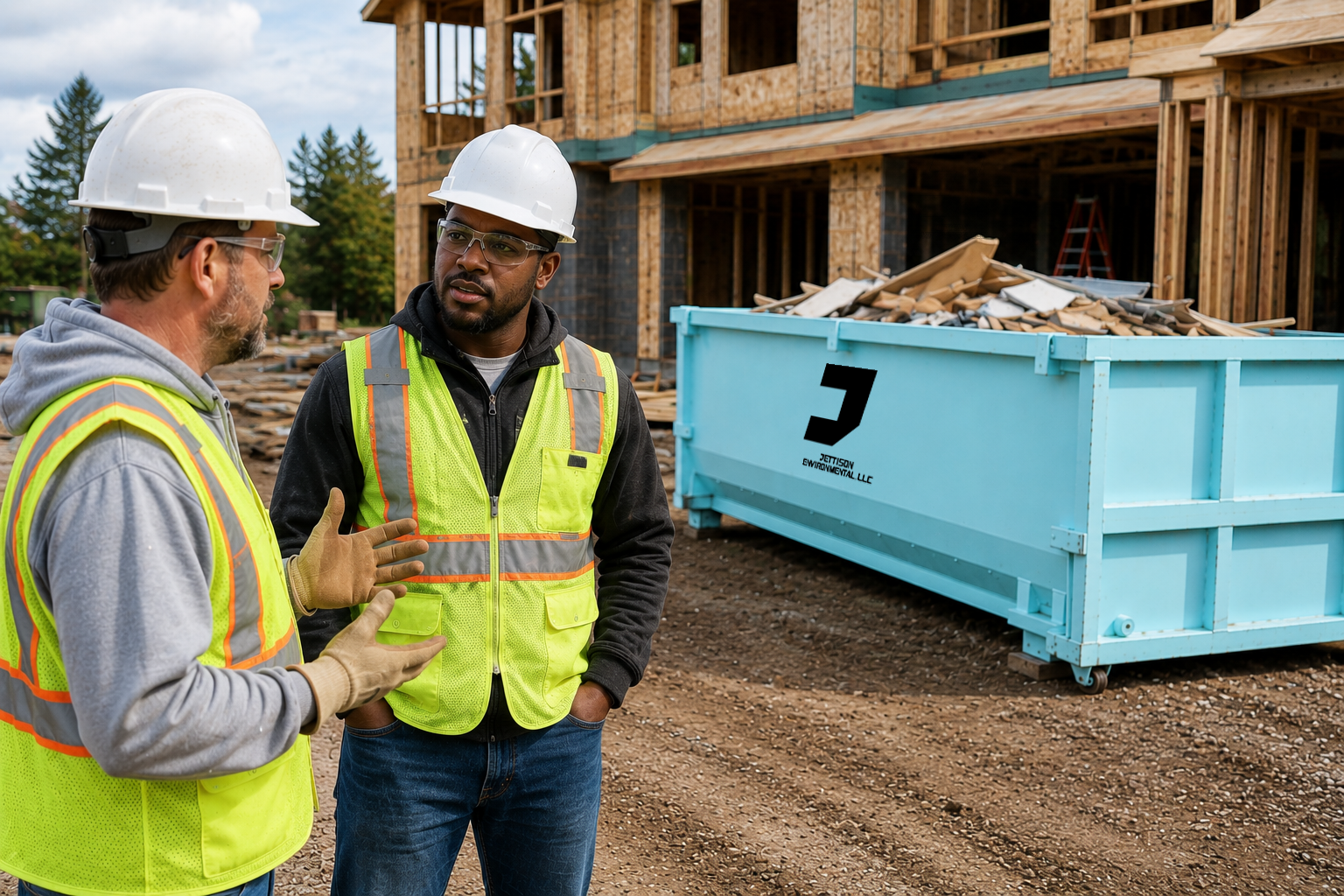
Construction projects generate significant amounts of waste, from demolition debris and scrap materials to packaging, drywall, roofing shingles, lumber, and concrete. Whether you’re managing a residential renovation, commercial buildout, roofing project, or large-scale construction site, having a reliable waste management plan is necessary for maintaining productivity, safety, and compliance.
One of the most effective solutions for construction waste management is a roll-off dumpster. These large, open-top containers provide a convenient way to collect, contain, and remove debris throughout every phase of a project.
Why Construction Projects Need Roll-Off Dumpsters
Construction sites can quickly become cluttered when debris accumulates. Without a designated disposal solution, materials often pile up around work areas, creating safety risks and slowing production. A roll-off dumpster delivers a centralized location for waste disposal, helping contractors:
- Maintain cleaner jobsites
- Improve worker safety
- Reduce trip and fall hazards
- Increase productivity
- Streamline debris removal
- Meet project deadlines
- Comply with local disposal regulations
By keeping waste organized and contained, contractors can focus on completing the project rather than managing debris.
Common Types of Construction Waste
Construction projects produce a wide variety of materials that require proper disposal. Typical construction debris includes:
- Wood and lumber
- Drywall and sheetrock
- Roofing materials
- Concrete and brick
- Asphalt
- Flooring materials
- Metal scraps
- Siding and insulation
- Packaging materials
- Pallets and crates
- General construction debris
The type and volume of waste generated will influence the size and number of dumpsters required throughout the project.
Choosing the Right Roll-Off Dumpster Size
10-Yard Dumpster
Ideal for:- Small renovations
- Bathroom remodels
- Minor demolition projects
- Concrete disposal
20-Yard Dumpster
Ideal for:- Roofing projects
- Medium-sized renovations
- Deck removals
- Residential construction
30-Yard Dumpster
Ideal for:- New home construction
- Commercial renovations
- Large demolition projects
- Major remodeling jobs
40-Yard Dumpster
Ideal for:- Large commercial construction
- Industrial projects
- Multi-phase developments
- High-volume waste generation
Benefits of Roll-Off Dumpsters on Construction Sites
Improved Jobsite Safety
Construction debris can create dangerous working conditions. Loose materials, nails, broken concrete, and discarded packaging increase the risk of injuries. A roll-off dumpster encourages workers to dispose of debris immediately, reducing clutter and improving overall site safety.Increased Productivity
When workers spend less time hauling debris across the site or making trips to disposal facilities, they can focus on project tasks. Having a conveniently located dumpster allows crews to maintain workflow efficiency throughout the day.Simplified Waste Management
Construction managers already coordinate labor, materials, inspections, and schedules. A roll-off dumpster simplifies one aspect of the project by providing a designated waste collection point and scheduled removal service.Better Site Appearance
Clean jobsites create a more professional appearance for clients, inspectors, project owners, and neighboring businesses or residents. Organized waste management reflects positively on contractors and project managers.Regulatory Compliance
Many municipalities and construction contracts require correct waste handling and disposal procedures. Roll-off dumpsters help contractors maintain compliance while ensuring debris is transported to approved disposal facilities.Best Practices for Using Roll-Off Dumpsters
To maximize efficiency and avoid additional costs, contractors should follow several best practices.
Position the Dumpster Strategically
Place dumpsters close to active work areas while maintaining safe access for equipment and delivery vehicles.
Consider:
- Truck accessibility
- Worker convenience
- Traffic flow
- Safety clearances
- Ground stability
Proper placement minimizes labor and improves site efficiency.
Avoid Overloading
Overfilled dumpsters can create safety concerns and may violate transportation regulations. Materials should never extend above the top rail of the container.
Distribute debris evenly and monitor fill levels regularly to avoid additional charges.
Separate Recyclable Materials
Many construction materials can be recycled, including:
- Metal
- Concrete
- Brick
- Asphalt
- Cardboard
- Certain wood products
Separating recyclable materials may help reduce disposal costs while supporting green objectives.
Schedule Hauls in Advance
Large projects often require multiple dumpster exchanges throughout the construction timeline. Coordinating pickups and replacements ahead of time helps prevent workflow interruptions and ensures containers remain available when needed.
Roll-Off Dumpsters for Different Construction Projects
Residential Construction
Builders and remodelers use roll-off dumpsters for:
- Home additions
- Kitchen remodels
- Whole-house renovations
- New home construction
- Demolition projects
Commercial Construction
Commercial contractors rely on dumpsters for:
- Tenant buildouts
- Office renovations
- Retail construction
- Restaurant projects
- Facility upgrades
Roofing Projects
Roof replacements generate significant amounts of shingles and underlayment materials. Roll-off dumpsters provide a safe and efficient collection point for roofing debris.
Demolition Projects
Demolition projects often produce large volumes of concrete, brick, metal, and mixed debris that require dependable waste removal solutions.
Partner with a Reliable Waste Management Provider
Successful construction projects depend on reliable vendors. Choosing a dumpster rental company with experience serving contractors can make a significant difference in your project’s efficiency. Look for a provider that offers:
- Multiple dumpster sizes
- Flexible rental periods
- Prompt delivery and pickup
- Reliable customer service
- Construction industry experience
- Responsible disposal practices
Working with a trusted waste management partner helps contractors stay on schedule and maintain a safe, productive jobsite.
Construction Waste Management Made Simple
Roll-off dumpsters are one of the most valuable tools on any construction site. They improve safety, increase efficiency, simplify waste handling, and help contractors maintain professional, organized jobsites.
Whether you’re building a new commercial facility, renovating a home, replacing a roof, or managing a demolition project, having the right dumpster in place keeps your project moving forward.
Jettison Environmental provides dependable roll-off dumpster rentals and waste management solutions for construction projects of all sizes. With a variety of container options and responsive service, contractors can focus on completing their projects while Jettison handles the debris.
FAQs – Roofing Dumpster Rental
Q: What size roll-off dumpster is best for a construction project?
A: The ideal size depends on the project scope. Smaller renovations may require a 10-yard dumpster, while large commercial projects often use 30-yard or 40-yard containers.
Q: Can construction debris be recycled?
A: Yes. Materials such as metal, concrete, asphalt, cardboard, and certain wood products can often be recycled when properly separated.
Q: How often should construction dumpsters be emptied?
A: The frequency depends on project size and debris volume. Many contractors schedule regular exchanges throughout the project to maintain efficiency.
Q: Can roofing materials go into a roll-off dumpster?
A: Yes. Roll-off dumpsters are commonly used for roofing shingles, underlayment, flashing, and related roofing debris.
Q: Are there weight limits for construction dumpsters?
A: Yes. Every dumpster has a weight capacity. Heavy materials such as concrete, brick, and asphalt may require specialized containers or separate disposal arrangements.
Q: Where should a dumpster be placed on a construction site?
A: Dumpsters should be placed in an accessible location that allows easy loading by workers while maintaining safe vehicle and equipment access.