
Recycling & Sustainable Disposal: What Contractors Should Know Before Renting a Dumpster
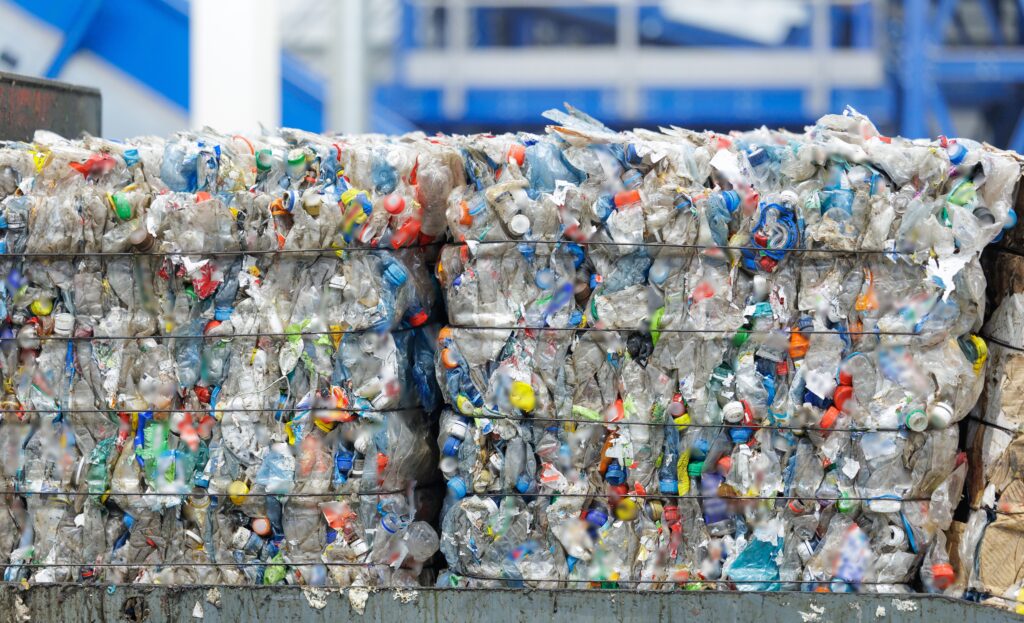
Construction and demolition waste is no longer just a disposal issue. It is a cost-control factor, a compliance requirement, and increasingly, a sustainability metric that project owners track closely. For contractors, the question is no longer simply “What size dumpster do I need?” It is “How do I manage material flow efficiently to reduce landfill tonnage, control tipping fees, and meet recycling expectations?” At Jettison Environmental, sustainable waste handling is integrated into operational planning. The following guide outlines practical steps contractors can implement before ordering a dumpster and throughout the lifecycle of a project. How to Sort Materials On Site to Maximize Recycling & Reduce Dump Fees Unsorted waste is the most expensive waste. Mixed debris increases tipping costs and reduces the ability to recover recyclable materials. A. Plan Before Delivery Before dumpsters arrive: Review project scope and anticipated waste streams Estimate material types and volume ratios Identify recyclable commodities such as metals, clean concrete, wood, and cardboard Confirm whether local facilities accept source-separated materials Segregation planning at the pre-construction phase prevents rehandling and double hauling later. B. Source Separation vs. Mixed Loads Two common approaches: Source-Separated Containers Dedicated dumpsters for concrete, metal, wood, cardboard Lower disposal cost per ton Higher diversion rates Requires space and crew discipline Mixed C&D Containers Single container for all debris Faster loading Higher tipping fees Lower recycling efficiency On large projects, using multiple containers often reduces overall disposal cost despite increased logistical coordination. C. Strategic Dumpster Placement Position containers close to material generation zones. Reducing crew walking distance improves compliance with sorting protocols. Clear labeling and color-coded signage significantly improve separation accuracy. Which Materials Are Most Cost-Effective to Recycle vs. Landfill Not all materials carry the same disposal economics. Contractors should focus on high-volume, high-weight materials first. High-Value Recyclables Concrete & Asphalt Heavy materials with high landfill tipping costs Often crushed and reused as aggregate Significant savings when separated clean Scrap Metal Frequently generates rebate value Steel, copper, aluminum offer strong recycling markets Cardboard Common in commercial build-outs Easily recyclable when kept dry and clean Moderate-Value Recyclables Clean Wood May be processed into mulch or biomass fuel Requires separation from treated lumber Typically Landfilled Contaminated materials Treated or painted wood Mixed debris with insulation and adhesives Hazardous materials (handled separately under regulation) Understanding commodity value shifts the disposal strategy from cost center to cost-control opportunity. Tools & Tips for Educating Crews on Waste Reduction Recycling compliance depends on workforce behavior. Education must be simple, visible, and reinforced daily. A. Visual Site Controls Large, weather-resistant signage at each container Photos showing acceptable materials Multilingual instructions if necessary Color-coded dumpsters Visual reinforcement reduces contamination rates. B. Toolbox Talks & Pre-Shift Briefings Brief 5-minute discussions can cover: Which materials go where Why contamination increases costs How diversion supports project requirements Who to contact with disposal questions Crews are more likely to comply when they understand the operational benefit. C. Assign a Waste Champion Designate a supervisor or foreman responsible for: Monitoring container contamination Coordinating haul-offs Tracking diversion metrics Communicating with the waste provider Ownership drives accountability. How Recycling Impacts Project Timelines & Budgets Contractors often assume recycling slows productivity. When managed correctly, the opposite is true. A. Budget Control Lower tipping fees for separated materials Reduced landfill tonnage Potential commodity rebates Fewer contamination surcharges Material separation upfront prevents unexpected overage fees. B. Schedule Efficiency Organized waste flow reduces clutter Cleaner sites improve productivity Fewer rejected loads prevent hauling delays Poor sorting can lead to rejected loads at disposal facilities, creating unplanned downtime. C. Compliance & Client Expectations Many commercial developers and municipal projects now require documented diversion rates. Sustainable disposal planning strengthens: Bid competitiveness Environmental reporting LEED or green-building initiatives Corporate ESG alignment Forward-thinking waste management is no longer optional in competitive markets. Sustainable Disposal Is Operational Strategy Recycling and waste sorting are not add-ons. They are integrated components of responsible project management. Before ordering a dumpster, contractors should evaluate: Anticipated waste streams On-site space constraints Diversion goals Crew training needs Local recycling market availability Partnering with experienced providers such as Jettison Environmental helps contractors implement structured recycling strategies that reduce costs, support compliance, and improve overall project performance. FAQs – Recycling & Sustainable Disposal for Contractors Q: Why should contractors plan recycling before ordering a dumpster? A: Pre-planning allows contractors to identify expected waste streams, estimate material volumes, and determine whether source-separated containers will reduce tipping fees. Planning ahead prevents contamination, reduces double-handling, and helps avoid costly rejected loads. Q: What materials are most cost-effective to recycle on construction sites? A: Concrete, asphalt, scrap metal, and cardboard are typically the most cost-effective materials to recycle. These materials are heavy or high-volume, which means landfill tipping fees can add up quickly. When separated properly, they often qualify for lower disposal rates and, in some cases, commodity rebates. Q: Does source separation actually lower disposal costs? A: Yes. While using multiple containers may require more coordination, source separation often reduces total disposal expenses by lowering per-ton tipping fees, minimizing contamination surcharges, and reducing overall landfill tonnage. Q: How can contractors reduce contamination in dumpsters? A: Clear signage, color-coded containers, toolbox talks, and designated waste supervisors significantly reduce contamination. Educating crews on what materials belong in each container improves compliance and prevents rejected loads. Q: What happens if a load is contaminated? A: Contaminated loads may be rejected at the disposal facility or charged at a higher mixed-debris rate. In some cases, the load must be re-sorted, which increases labor, hauling costs, and project delays. Q: How does recycling impact project timelines? A: Proper waste sorting often improves site organization and reduces clutter, which enhances productivity. It also minimizes unexpected delays caused by rejected loads or unplanned haul-offs. Q: Are recycling requirements becoming mandatory on construction projects? A: Increasingly, yes. Many municipalities and commercial developers require documentation of diversion rates or sustainable waste practices. Contractors who implement structured recycling programs are better positioned to meet compliance standards and remain competitive during bidding. Q: How can a waste management
Essential Landfill Safety Practices for Contractors & Site Managers

Operational Safety, Compliance Control & Risk Reduction at Active Landfill Sites Landfills are highly controlled industrial environments. They involve heavy civil equipment, unstable working surfaces, live traffic zones, environmental controls, and evolving regulatory oversight. For contractors and site managers, landfill safety is not simply about PPE compliance. It is about operational discipline, risk forecasting, and site-wide coordination. At Jettison Environmental, landfill operations are managed with the understanding that safety performance directly impacts productivity, equipment longevity, and environmental compliance. The following best practices are designed specifically for construction professionals, hauling contractors, demolition firms, and site supervisors working within active landfill environments. Daily Safety Checkpoints for Active Landfill Sites A landfill’s conditions change daily due to weather, compaction activity, incoming debris type, and traffic flow. Structured daily inspections reduce exposure and prevent avoidable incidents. A. Pre-Shift Operational Briefing Review active dumping zones and restricted areas Confirm haul routes and traffic flow changes Communicate weather-related hazards Reinforce PPE and spotter requirements B. Equipment Inspection Protocols Heavy machinery such as compactors, dozers, excavators, and articulated dump trucks must be inspected before entering service. Focus on: Hydraulic line integrity Brake and steering response Backup alarms and lighting Tire condition and debris accumulation Fire suppression systems Equipment downtime on landfill slopes presents elevated rollover risk. Preventive inspection is non-negotiable. C. Surface Condition Monitoring Landfill working faces are inherently unstable. Daily assessment should evaluate: Soft spots and subsidence Exposed debris that may puncture tires Compaction density Edge protection near drop-offs Gas venting infrastructure visibility Maintaining stable working platforms reduces equipment strain and operator risk. Managing Wet Weather & Storm Runoff Safely Rainfall significantly increases landfill risk exposure. Wet conditions affect traction, slope stability, leachate management, and regulatory compliance. A. Minimizing Slip & Equipment Hazards Reduce slope grades in active dumping zones during rainfall Increase compaction frequency to improve traction Install temporary gravel stabilization on high-traffic routes Suspend operations on excessively saturated slopes Operators should be trained to recognize hydroplaning risk and differential tire traction on mixed surfaces. B. Stormwater & Runoff Control Improper runoff management can trigger environmental violations. Best practices include: Maintaining functional stormwater retention basins Inspecting perimeter berms and drainage swales Preventing sediment discharge beyond site boundaries Monitoring leachate containment systems Storm events should trigger a documented post-rainfall inspection protocol. C. Regulatory Considerations Contractors should understand that wet weather increases scrutiny under environmental regulations governing stormwater discharge permits and landfill operational standards. Documenting inspection logs and corrective measures protects both site operators and subcontractors. Traffic Flow & Vehicle Safety on Landfill Properties Landfills operate like industrial traffic corridors. Haul trucks, personal vehicles, heavy equipment, and spotters share space in confined, shifting environments. A. Controlled Entry & Exit Single-point entry checkpoints Mandatory check-in procedures Posted speed limits Clear directional signage Unauthorized traffic flow is one of the most common causes of landfill accidents. B. Segregated Traffic Patterns Separate zones should exist for: Dump trucks Equipment staging Public drop-off (if applicable) Contractor parking Dedicated haul roads reduce crossover risk between large equipment and smaller vehicles. C. Spotter & Communication Protocol Blind spots on heavy machinery are significant. Standard practice should require: High-visibility spotters during backing Two-way radio communication Backup alarms verified during inspection Strict no-walk zones around active machinery Clear communication prevents serious injury events. PPE & Hazard Awareness for Landfill Personnel Landfill environments expose workers to physical, biological, and mechanical hazards. A. Required PPE At minimum: High-visibility ANSI-compliant vests Hard hats Steel-toe, puncture-resistant boots Cut-resistant gloves Eye protection In select environments, respiratory protection may be required due to dust, methane exposure, or airborne particulates. B. Hazard Identification Common landfill hazards include: Unstable debris piles Sharp metal or demolition fragments Methane gas migration Heat stress during summer operations Biological contaminants Site managers should reinforce situational awareness through routine toolbox talks. Training Programs & Certifications Worth Pursuing Safety is strongest when backed by structured education. Contractors and supervisors working in landfill environments should consider the following: OSHA 30-Hour Construction Certification Heavy Equipment Operator Certification Hazard Communication (HAZCOM) Training Stormwater Pollution Prevention Plan (SWPPP) Training First Aid and CPR Certification Supervisory personnel may also benefit from landfill-specific environmental compliance training to better understand permit requirements and operational documentation standards. Investment in certification reduces incident rates and strengthens credibility during inspections. Operational Discipline Protects Your Project Landfill safety is not a checklist exercise. It is a daily operational mindset. Contractors who implement structured inspection protocols, traffic control planning, stormwater management, and workforce training significantly reduce risk exposure. Well-managed landfill sites: Experience fewer equipment failures Maintain stronger regulatory standing Reduce injury claims Improve project timelines Protect contractor reputations Working with experienced landfill operators ensures your disposal operations align with both safety standards and environmental compliance expectations. For contractors operating in Alabama, partnering with experienced landfill facilities such as Jettison Environmental helps ensure landfill activities are conducted with structured safety oversight and operational precision. FAQs – Essential Landfill Safety Practices Q: What are the most important daily safety checks at an active landfill site? A: Daily safety checks should include pre-shift briefings, heavy equipment inspections, working face condition assessments, traffic flow verification, and confirmation of stormwater controls. Reviewing slope stability, identifying soft spots, and confirming backup alarms and lighting on equipment are critical to preventing incidents before operations begin. Q: How should landfill operations adjust during wet weather conditions? A: Wet weather requires reduced slope activity, improved compaction, reinforced haul routes, and enhanced stormwater monitoring. Contractors should slow vehicle speeds, increase traction control measures, inspect drainage systems, and document post-storm site conditions to maintain both safety and regulatory compliance. Q: What are the biggest vehicle safety risks on landfill properties? A: The primary risks include blind spots around heavy machinery, uncontrolled traffic patterns, mixed vehicle types operating in close proximity, and unstable ground conditions. Establishing controlled entry points, designated haul routes, posted speed limits, and mandatory spotter protocols significantly reduces collision risk. Q: What personal protective equipment is required at landfill sites? A: Standard PPE typically includes high-visibility vests, hard hats, steel-toe puncture-resistant boots, gloves, and eye protection. Depending on site
Understanding the Difference Between a C&D Landfill and a Standard Landfill
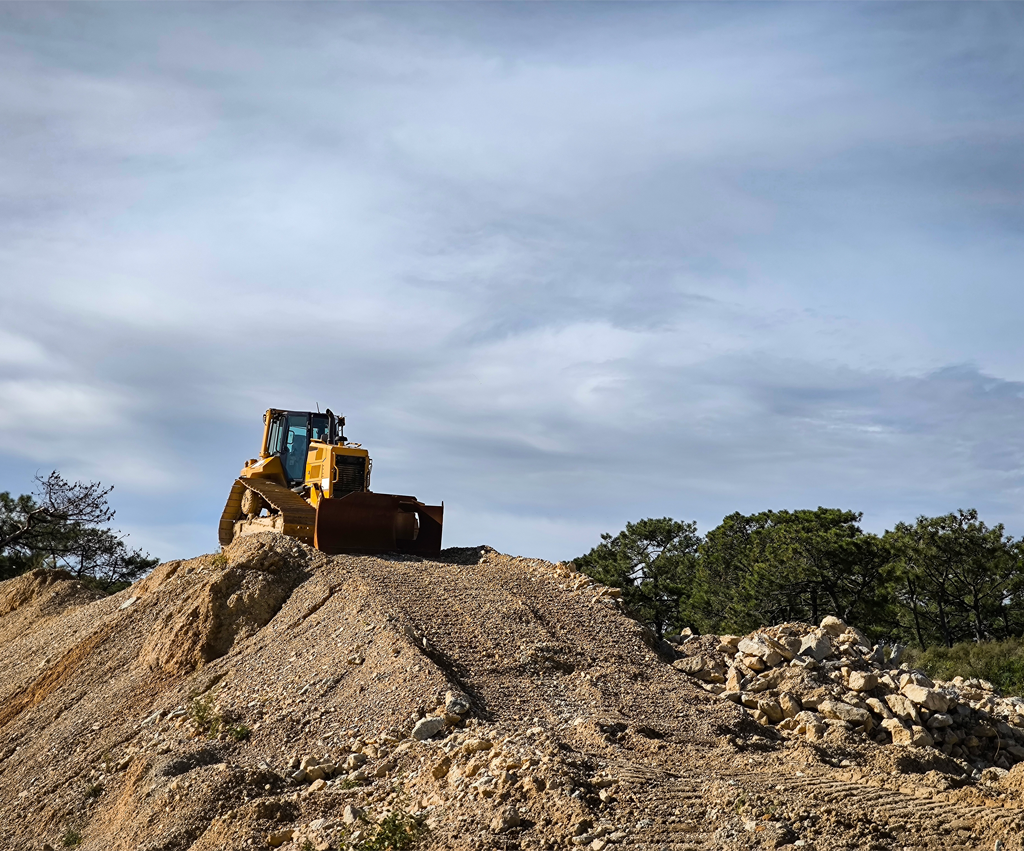
When it comes to disposing of construction debris, not all landfills are the same. Choosing the right type of landfill can impact project costs, compliance, efficiency, and environmental responsibility. At Jettison Environmental, we operate three dedicated Construction & Demolition (C&D) landfill locations across Alabama, providing specialized disposal solutions that differ significantly from standard municipal landfills. Understanding the difference between a C&D landfill and a standard landfill helps contractors, developers, and property owners make informed decisions—and avoid unnecessary delays or disposal issues. What Is a Standard Landfill? A standard landfill, often referred to as a municipal solid waste landfill, is designed primarily for everyday waste generated by households, businesses, and institutions. These landfills accept a wide variety of materials, including: Household trash Food waste Packaging materials Non-hazardous commercial waste Because standard landfills handle mixed waste streams, they operate under stricter handling, screening, and environmental controls. This often results in higher tipping fees, longer unloading times, and limitations on bulky or inert construction materials. For large volumes of construction debris, standard landfills are frequently not the most efficient or cost-effective option. What Is a C&D Landfill? A Construction & Demolition (C&D) landfill is specifically designed to accept materials generated from building, renovation, demolition, and site preparation projects. These facilities focus on inert and structural debris rather than household waste. C&D landfills typically accept materials such as: Concrete and asphalt Brick and masonry Wood and lumber Drywall and roofing materials Metals and construction debris Because these materials behave differently than household waste, C&D landfills are engineered to handle heavier loads, larger volumes, and job-site debris more efficiently. Key Differences Between C&D Landfills and Standard Landfills Accepted Materials C&D landfills are tailored for construction debris, while standard landfills focus on mixed municipal waste. This means C&D facilities are better equipped for bulk materials like concrete, wood, and demolition debris. Cost Efficiency Disposing of construction debris at a C&D landfill is often more cost-effective. Reduced processing requirements and specialized operations help keep tipping fees competitive for contractors and developers. Faster Turnaround C&D landfills are designed for high-volume truck traffic and roll-off containers. This results in quicker unloading times and smoother logistics for job sites operating on tight schedules. Regulatory Alignment C&D landfills operate under permits and guidelines specific to construction materials, helping contractors remain compliant with local and state regulations when disposing of job-site debris. Project Scalability Large construction and demolition projects generate debris at a scale that standard landfills may struggle to accommodate efficiently. C&D landfills are built for volume, making them ideal for phased or long-term projects. Jettison Environmental’s C&D Landfill Network Jettison Environmental operates three strategically located C&D landfill facilities, allowing us to serve a wide region with consistent standards, reliable access, and streamlined disposal options: Jettison Environmental – Prattville C&D Landfill 802 County Road 4 East, Prattville, Alabama 36067 Jettison Environmental – Hunter Loop C&D Landfill 1761 Hunter Loop Rd, Montgomery, Alabama 36108 Jettison Environmental – Troy C&D Landfill 634 County Rd 2210, Troy, AL 36079 This network allows contractors and haulers to reduce drive times, manage disposal more efficiently, and keep projects moving without interruption. Integrated Disposal, Hauling, & Waste Management One of the advantages of working with Jettison Environmental is the ability to combine landfill access with our broader service offerings. In addition to operating C&D landfills, we provide: Roll-off dumpster rentals Construction and demolition debris hauling Concrete cutting and demolition support Site cleanup and waste management planning By offering both disposal facilities and hauling services, we help clients simplify coordination, reduce vendor overlap, and maintain greater control over project timelines. Choosing the Right Landfill for Your Project Not every project requires a standard landfill—and in many cases, a C&D landfill is the smarter choice. Construction debris handled at the right facility leads to better efficiency, clearer compliance, and predictable costs. If your project involves construction, renovation, demolition, or site preparation, Jettison Environmental’s C&D landfill locations are built to support your needs from start to finish. Partner with Jettison Environmental With three C&D landfill locations and a full suite of waste management services, Jettison Environmental is uniquely positioned to support contractors, developers, and property owners across Alabama. Contact our team today to learn more about our landfill services, disposal options, and how we can support your next project with dependable, professional waste solutions. FAQ – C&D Landfill Services Q: What is a C&D landfill, and how is it different from a standard landfill? A: A C&D (Construction & Demolition) landfill is designed specifically for construction-related debris—materials generated from building, remodeling, and demolition work. Standard landfills primarily handle everyday municipal trash. A C&D landfill is better suited for heavier, bulkier job-site loads and helps keep construction disposal more efficient and predictable. Q: What types of materials are accepted at a Jettison Environmental C&D landfill? A: C&D landfills typically accept non-hazardous construction and demolition debris such as concrete, brick, block, drywall, lumber, roofing debris, metal, and similar job-site materials. If you are unsure whether your load qualifies, contact our team before hauling. Q: What items are not accepted at Jettison Environmental’s C&D landfill locations? A: C&D landfills do not accept general household garbage or typical consumer trash. Common prohibited items include food waste (or food containers), household trash, liquids of any kind, and “white goods” such as refrigerators, freezers, and air conditioners. Q: Are hazardous materials allowed at any Jettison Environmental landfill? A: No. Hazardous materials are not accepted. This includes (but is not limited to) tires, paint or paint thinners, adhesives/solvents, batteries, and regulated waste streams that require specialized handling. Q: Do you screen loads at the landfill? A: Yes. Load screening is an important part of compliant disposal. Screening helps confirm that incoming materials match C&D acceptance guidelines and that prohibited materials are diverted to the correct disposal method. Q: Where are Jettison Environmental’s C&D landfill locations? A: Jettison Environmental operates three C&D landfill locations in Alabama: Jettison Environmental (Prattville): 802 County Road 4 East, Prattville, AL 36067 Jettison Environmental Hunter Loop Landfill (Montgomery): 1761 Hunter Loop Rd,
Professional Concrete Cutting Services That Keep Projects Moving
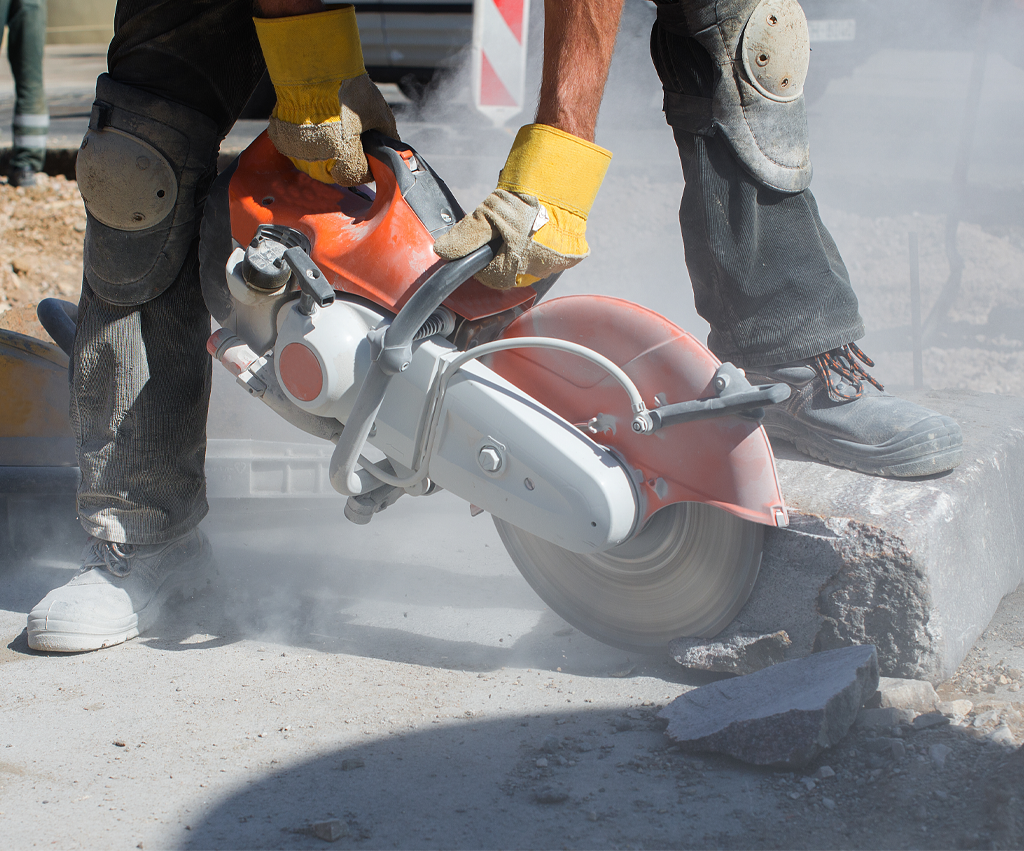
Expert sawing, drilling, and demolition removal solutions from Jettison Environmental Concrete cutting is a critical step in many construction, renovation, and demolition projects. Whether you need precise openings for utilities, clean slab removal, or controlled structural modifications, the quality of the cut directly impacts safety, timelines, and overall project success. At Jettison Environmental, we provide professional concrete cutting services designed to deliver accuracy, efficiency, and reliability across every job site. Our team combines specialized equipment with experienced operators to perform clean, controlled cuts that support both standalone concrete work and larger demolition or site-preparation projects. What Concrete Cutting Involves Concrete cutting is the controlled process of sawing, drilling, or removing concrete without causing unnecessary damage to surrounding structures. Unlike traditional breaking or jackhammering methods, professional concrete cutting allows for exact dimensions, smoother edges, and minimal disruption to adjacent surfaces. Jettison Environmental’s concrete cutting services support a wide range of applications, including: Creating openings for plumbing, electrical, or mechanical systems Modifying existing slabs or foundations Preparing concrete surfaces for demolition or replacement Removing damaged or unwanted concrete sections Supporting phased construction and renovation projects Each project is approached with careful planning to ensure cuts are performed safely, accurately, and in alignment with your overall scope of work. Why Professional Concrete Cutting Matters Concrete cutting requires more than just powerful equipment. Precision, planning, and experience are essential to avoid costly mistakes and delays. Accuracy and Control Professional cutting methods allow for exact measurements and clean lines, which is especially important when working near load-bearing structures or finished areas. Improved Safety Controlled cutting reduces vibration, dust, and debris compared to rough demolition methods. This helps protect workers, nearby structures, and active job sites. Efficiency on the Job Site Clean, precise cuts reduce follow-up work and allow subsequent trades to proceed without delay. This keeps projects on schedule and minimizes downtime. Reduced Structural Impact Unlike aggressive breaking methods, professional concrete cutting minimizes stress to surrounding concrete and prevents unintended cracking or damage. Integrated Demolition & Waste Management Services One of the advantages of working with Jettison Environmental is our ability to integrate concrete cutting with our demolition and waste management services. This creates a streamlined process from cutting to removal and disposal. When concrete cutting is part of a larger demolition or site-prep project, our team can: Coordinate cutting and removal phases efficiently Haul and dispose of concrete debris properly Maintain clean, organized job sites Reduce the need for multiple vendors This integrated approach saves time, improves coordination, and simplifies project management for contractors and property owners. Projects We Commonly Support Our concrete cutting services are used across a wide range of industries and project types, including: Commercial and industrial construction Structural renovations and remodels Utility installations and upgrades Concrete slab removal and replacement Demolition preparation and selective removal Whether the project is large or small, our team scales the approach to match the scope, timeline, and site conditions. Your Reliable Partner for Precision Concrete Work At Jettison Environmental, we understand that concrete cutting is often a critical path activity. Delays or inaccuracies can impact multiple phases of a project. That’s why we focus on dependable scheduling, professional execution, and clear communication from start to finish. Our goal is simple: deliver clean cuts, safe operations, and results that allow your project to move forward without complications. FAQ – Concrete Cutting FAQ Block Q: What is concrete cutting, and when is it needed? A: Concrete cutting is the controlled sawing and drilling of concrete to create clean, precise openings or remove sections of slab, wall, or pavement. It is commonly needed for renovations, utility installations, structural modifications, selective demolition, and replacement work. Q: What concrete cutting services do you provide? A: Jettison Environmental supports projects that require precise cutting and removal, including slab cutting, wall openings, and core drilling for utility penetrations. Scope and methods are determined based on access, thickness, reinforcement, and project requirements. Q: Do you offer core drilling for plumbing, electrical, or HVAC lines? A: Yes. Core drilling is used to create accurate circular openings through concrete for plumbing, conduit, and mechanical runs. We plan drilling locations carefully to support your trade sequencing and minimize rework. Q: Can you cut reinforced concrete with rebar? A: Yes. Reinforced concrete can be cut, including slabs and walls containing rebar or other embedded materials. We evaluate thickness, reinforcement, and site conditions to determine the safest and most efficient approach. Q: How do you control dust during concrete cutting? A: Dust control depends on the job and environment, but common approaches include wet cutting methods and jobsite containment practices. We prioritize safe work practices that reduce airborne dust and keep the site cleaner during operations. Q: Is concrete cutting less disruptive than breaking or jackhammering? A: In many situations, yes. Cutting is more controlled and can reduce unnecessary vibration and collateral cracking compared to aggressive breaking methods—especially important near occupied spaces or sensitive structural areas. Q: Can concrete cutting be combined with demolition and debris hauling? A: Absolutely. Jettison Environmental can integrate concrete cutting with demolition and waste management, including debris removal and roll-off dumpster service. This helps streamline scheduling and simplifies vendor coordination. Q: What information do you need to quote a concrete cutting job? A: Helpful details include the project address, what you need cut (slab/wall/opening size), approximate thickness, whether rebar is present, site access constraints, and your timeline. Photos or plans are also useful when available. Q: How quickly can you schedule concrete cutting services? A: Scheduling depends on project scope and current availability, but we aim to provide practical options that support contractor timelines. If the work is time-sensitive, let us know your deadlines and sequencing needs. Q: What happens to the concrete after it is cut? A: Cut sections can be left in place for your crew to remove, or Jettison Environmental can coordinate removal, hauling, and disposal as part of a bundled service plan—especially when tied to demolition or site cleanup.
Roll-Off Dumpster Rentals – The Differences for Residential, Retail & Construction
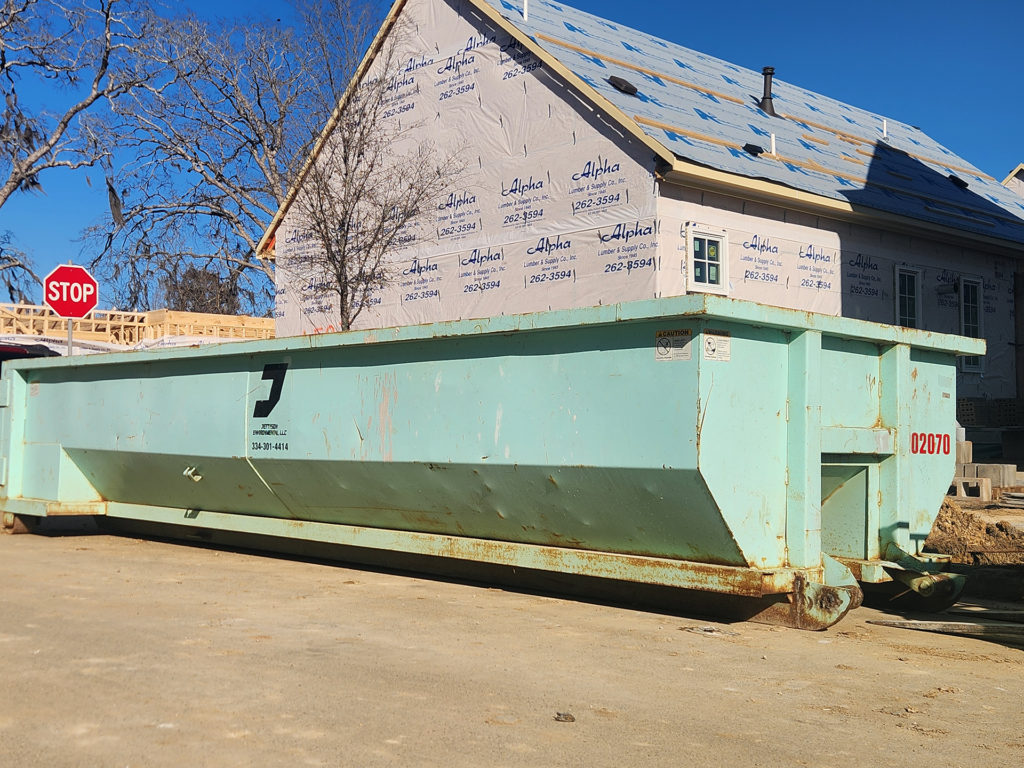
When you’re preparing for a project — whether it’s a home clean-out, a retail remodel, or a full construction build, waste accumulates fast. A roll-off dumpster from Jettison Environmental can turn chaos into order, but knowing which type of rental suits your project can save you time, money, and headaches. At Jettison Environmental, we provide flexible, transparent rental options designed to meet varying waste volumes and project durations. Below, we break down how roll-off dumpsters differ depending on whether you’re handling a residential renovation, a retail/commercial cleanup, or a construction or demolition site — and how to choose the right one for your needs. These dumpsters typically range from 10 to 40 cubic yards, giving homeowners, businesses and construction crews the capacity needed for bulk waste. Their open top makes loading easy, and their sturdy construction allows them to hold everything from household clutter to heavy construction debris. Because of their size, strength and simple drop-off/pick-up process, roll-off dumpsters are a practical solution for projects that need rapid cleanup, reliable waste containment and fewer trips to disposal facilities. How Needs Differ: Residential vs Retail vs Construction Roll-Off Dumpster Needs by Project Type Project Type Typical Container Size & Timeframe Common Waste Materials Why a Roll-Off Works Well Residential(cleanouts, remodels, yard work) 10–20 yards; short-term use (several days to ~2 weeks) Furniture, drywall, flooring, yard waste, general clutter Fits most driveways, ideal for quick cleanups, keeps debris contained without multiple dump runs Retail / Commercial(store cleanouts, remodels, seasonal turnover) 15–30 yards; short-to-medium duration Packaging waste, displays, shelving, demolition debris, mixed trash Manages larger volumes; supports remodels and restocking; keeps business operations cleaner and safer Construction / Demolition(new builds, renovations, heavy debris) 20–40 yards; multi-week or project-length rentals Lumber, roofing, concrete, metal, demolition debris, soil High-capacity containers handle heavy loads; open top simplifies disposal; keeps job sites organized Why These Differences Matter Every project generates a different type and amount of waste — which is why choosing the right dumpster isn’t just about size, it’s about matching the container to the job’s specific conditions. Type of debris: Home projects often create lighter, bulkier waste, while construction sites produce dense materials like concrete or metal that require heavy-duty containers. Rental timeframe: Residential and retail cleanouts usually wrap up quickly, whereas construction or demolition jobs may require longer rentals with flexible pickup schedules. Ease of access: Homes may have limited driveway space, while commercial and construction areas typically offer more room for drop-off and retrieval. Overall cost: The right size prevents unnecessary charges or multiple hauls. Choosing too large a dumpster wastes money; choosing too small can lead to extra pickups. When a Roll-Off Dumpster Is the Right Choice A roll-off dumpster rental is ideal when your project includes: A large volume of debris or bulky materials that won’t fit in regular trash service Renovation, remodeling or demolition work that creates ongoing waste Heavy materials such as wood, drywall, concrete, roofing, or landscaping debris A need to keep the work area clean, safe and free of clutter A tight project schedule where repeated trash runs aren’t realistic Situations where mixed waste must be handled efficiently in one container Roll-off rentals offer a centralized, efficient waste solution for jobs of any scale, helping keep your project on track and your site in order. Final Thoughts: Match Dumpster Type to Project Scope Renting a roll-off dumpster isn’t one-size-fits-all. The key to effective waste management is matching your dumpster size, rental duration, and configuration to the scope and nature of your project. Whether you’re doing a home clean-out, remodeling a retail space, or building a new structure, Jettison Environmental can help you pick the right roll-off solution — making waste removal easy, safe, and efficient. Contact us today for a quote or consultation and let us help you choose the dumpster that fits your needs. FAQs – Roll-Off Dumpster Rentals for Different Project Types Q: What size roll-off dumpster do I need for a typical home remodel? A: For small remodels or clean-outs, a 10- to 20-yard container usually suffices. Larger renovations, whole-house cleanouts or major debris removal may require 20- to 30-yard bins — especially if removing drywall, flooring, cabinetry, or other bulky materials. Q: How long can I keep a dumpster for a construction or retail project? A: Rental duration depends on project scope. Short residential jobs may only need 1–2 weeks, while construction or commercial remodels often require rentals of several weeks, with flexible pickup scheduling. Q: Can I dispose of heavy or mixed materials (wood, concrete, metal, drywall)? A: Yes — roll-off dumpsters are designed for heavy and bulky materials commonly found in construction and demolition. Just be mindful of weight limits and any prohibited waste (e.g., hazardous materials). Q: Do I need a permit to place a dumpster for my project? A: If the dumpster sits on private property (driveway, lot, construction site), usually no permit is required. If placed on a public street or sidewalk, local regulations may require a temporary placement permit. Q: Is dumpster rental more cost-effective than junk-removal services for large projects? A: Often yes. For projects that generate substantial volume or heavy debris, a single dumpster rental generally offers better value than repeated junk-removal visits. It consolidates waste, avoids multiple trips, and provides flexibility as the project evolves.
Simplify Waste — Why Dumpster Rentals From Jettison Environmental Are The Smart Choice
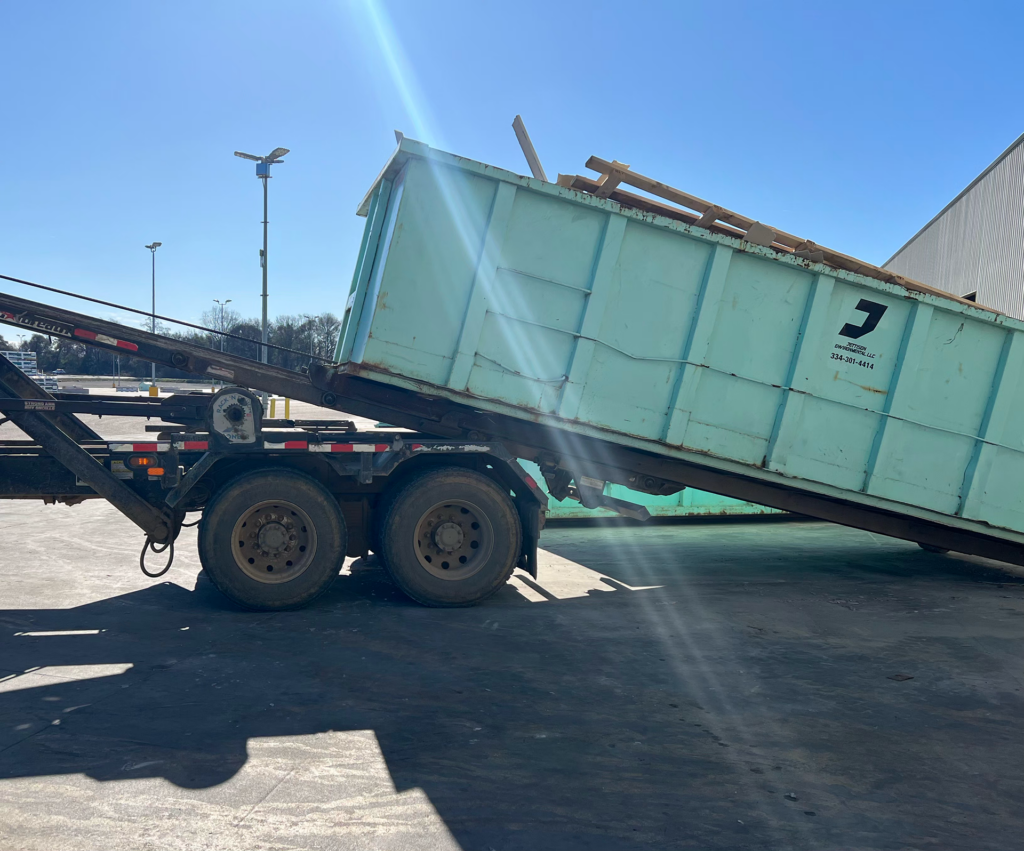
Streamlined Workflow and Simple Cleanup A roll-off dumpster gives you a single, convenient place to put everything you need to discard. Instead of juggling multiple trash bags, arranging extra pickups or making back-and-forth trips to a disposal site, you can place debris directly into the container as work progresses. This keeps your workflow moving without interruptions and helps projects wrap up faster. Budget-Friendly Waste Handling A properly sized dumpster can replace numerous small trash hauls and prevent unexpected charges tied to excess waste. For renovations, cleanouts or routine commercial needs, one container often reduces total disposal expenses — especially when dealing with bulky or heavy materials that would otherwise require multiple trips. A Cleaner and Safer Space Construction scraps, broken items and scattered debris can quickly create unnecessary hazards. By using a contained roll-off dumpster, you keep walkways clear, minimize risks of trips or injuries and maintain a safer environment for household members, employees or contractors. Dumpsters are Adaptable for Residential, Retail and Construction Use Dumpster rentals are versatile enough to support a range of situations — from home improvements and yard work to retail remodels and full construction jobs. Whether you need a short-term container for a weekend cleanout or ongoing service for a long project, the flexibility makes it easy to handle changing waste volumes. Responsible Disposal and Better Waste Compliance When waste is collected in an organized way, it is easier to sort, recycle and dispose of materials properly. Professional dumpster services help ensure debris is handled according to local regulations, reducing the likelihood of improper disposal and supporting more environmentally responsible project practices. Ready to Rent a Dumpster from Jettison Environmental? Here’s How It Works… Contact Jettison Environmental and describe your project to determine the right dumpster size and rental period. We deliver the dumpster to your location, positioning it where you need it most. You fill the dumpster at your own pace — no rush, no repeated trips. When finished (or when dumpster is full), contact us for pickup or schedule empty-and-return if needed. We haul away and dispose of waste responsibly, often offering recycling where applicable. FAQ – Dumpster Rentals from Jettison Environmental Q: What dumpster size should I choose for a home project? A: The size depends on how much debris you expect to generate. Smaller projects like room cleanouts or light remodeling usually work well with a 10- or 15-yard dumpster. Larger renovations or whole-home cleanouts often require a 20- to 40-yard container to handle bulkier materials efficiently. Q: How long can I keep a dumpster once it’s delivered? A: Most customers find that a rental period of about a week is ideal for home and small business projects. If your project runs longer than expected, we can extend the rental period upon request so you have the time you need to finish without rushing. Q: What materials can go into a roll-off dumpster? A: General household debris, remodeling waste, yard materials and non-hazardous junk are typically accepted. Items that contain chemicals or pose environmental risks — such as wet paint, automotive fluids, batteries, asbestos or flammable materials — cannot be placed in the container. We provide clear guidelines before delivery so you know exactly what is allowed. Q: What happens if my dumpster fills up before the job is finished? A: If you need more space, we can schedule a swap-out. Our team will pick up the full dumpster and drop off an empty one so you can keep working without delays. Q: Do I need a permit for a dumpster rental? A: A permit is not usually necessary if the dumpster stays on your private property. If the container needs to be placed on a public street or right-of-way, a local permit may be required. We can help you determine whether one is needed based on your location. Q: Are dumpster rentals useful for commercial or industrial operations? A: Yes. Businesses benefit from consistent, contained waste management. A roll-off dumpster helps keep work areas clean, reduces clutter, improves safety and supports smoother day-to-day operations for retail, warehouse, restaurant and construction environments.
Construction Site Efficiency: Why a Dedicated Waste Strategy Matters

Every construction site generates waste — from demolition debris to scrap materials to daily packaging and excess supplies. But unmanaged waste doesn’t just create clutter. It slows crews down, increases costs, and can even create safety hazards. Having a dedicated waste management plan ensures work keeps moving, sites stay clear, and project timelines stay on track. At Jettison Environmental, we help contractors streamline job-site waste so construction can continue efficiently and safely. Why Waste Strategy Affects Efficiency 1. Clear Workflow = Faster Productivity When walkways, work zones, and staging areas are kept free of debris, crews stay productive. A well-placed roll-off dumpster rental prevents the constant “stop-and-move” cycle that disrupts workflow. 2. Improved Safety & Reduced Incidents Excess waste increases trip hazards and fire risks. A clean site supports a culture of safety and reduces downtime caused by accidents. 3. Controlled Costs Over the Project Lifecycle Waste removal without planning often leads to multiple hauls, emergency pickups, and unnecessary spending. A scheduled waste solution avoids extra charges and keeps budgets predictable. 4. Better Vendor Coordination & Scheduling Aligning waste removal with project phases ensures containers are onsite when needed — and gone when they’re not. Jettison Environmental coordinates drop-offs, swaps, and pickups based on project flow. 5. Supports Sustainability & Material Recovery Properly sorting materials like metal, wood, and concrete makes recycling possible. This reduces landfill disposal volume and may qualify the project for sustainability credits. How Jettison Environmental Supports Construction Efficiency We help contractors choose: The right dumpster size based on project scope Strategic placement for ease of access Pickup schedules that match multi-phase construction progress Temporary sanitation + waste solutions for crews and subcontractors On-demand swaps to keep work moving without pause Our goal is simple: Keep the job site clean so your team can focus on building. FAQ – Why a Dedicated Waste Strategy Matters Q: What size dumpster is best for a construction project? A: It depends on the project scale and debris type. Smaller remodels may require a 20-yard container, while large framing, roofing, or demolition often needs 30- or 40-yard roll-off containers. Jettison Environmental can recommend the right size based on your scope. Q: How often should dumpsters be serviced on an active construction site? A: Scheduling typically aligns with project phases. Early demo generates heavy waste, followed by lighter debris during finishing. We adjust pickup frequency to match your timeline and crew pace. Q: Where should dumpsters be placed for best efficiency? A: Containers should be close enough for quick disposal but positioned to avoid blocking equipment or work areas. We help assess site flow to select optimal placement. Q: Can we separate materials on-site for recycling? A: Yes. Sorting metal, wood, concrete, and cardboard improves recycling outcomes and reduces disposal costs. Jettison Environmental assists with setup and planning for material recovery. Q: What happens if the site needs additional pickups on short notice? A: We offer responsive, on-demand haul-away and container swaps to prevent workflow interruptions. Just call — we’ll keep you moving.
Event Waste & Portable Restrooms: How to Plan for Your Outdoor Gathering

When you’re planning an outdoor event—festival, concert, sporting tournament, community fair or corporate outing—every detail matters. One of the most important yet often overlooked details: Waste Management and Restroom Facilities. At Jettison Environmental, we know that a clean, well-managed environment boosts guest satisfaction, improves safety, and reflects positively on your brand. Here’s how to plan smartly for waste and portable restrooms so your next outdoor gathering runs smoothly. Start with the Audience & Event Duration Think about how many people you expect, how long your event will last, and what kind of activities are planned. More guests, higher activity levels (food trucks, alcohol service, high-traffic zones) = more waste, more restroom use. Planning early ensures you have sufficient dumpsters, recycling bins, and accessible portable restroom units. Choose the Right Portable Restroom Mix It’s not just about “enough restrooms”—it’s the right mix. Consider: Standard portable restrooms for general guests. ADA-accessible units for compliance and inclusion. Hand‐wash or hygiene stations if food/drink is served. Premium units (with sinks, mirrors) for VIP areas or sponsors.Jettison Environmental offers flexible rentals so you can match unit types to event zones and guest flow. Match Waste Containers to Zones & Activities Segregate waste streams for better efficiency and sustainability: General refuse (e.g., food wrappers, disposables) Recycling (cans, bottles, paper) Bulk or special waste (e.g., staging scrap, signage materials)Place containers near high-traffic areas (entrances, food zones, stages) and ensure timely servicing. Proper placement and size reduce overflow, improve cleanliness, and make cleanup less labor-intensive. Plan Service Frequency & Logistics Don’t simply deliver once and leave. For multi-day or high-volume events, schedule servicing mid-event to prevent backups. Confirm delivery windows, pickup times and contingencies with your waste provider. Jettison Environmental offers on-time deliveries, transparent pricing, and responsive servicing to keep your event on track. Communicate With Your Attendees & Team Let your attendees know where the restrooms and waste zones are. Use signage, event maps, or mobile apps. Also, brief your staff or volunteers on servicing schedules and where to direct overflow or issues. A well-informed team adds to the smooth flow of the event. Wrap Up with Efficiency & Sustainability After the crowds leave, the job isn’t over. Arrange for final pickup, cleaning of the units, and proper disposal or recycling of waste. Use the event as an opportunity to showcase sustainability—highlight how many tons of waste were diverted from landfill, how many single-use plastics were avoided, etc. Choosing the right partner for event waste and restrooms makes all the difference. FAQ – Waste Management – Event Services Q: How many portable restrooms do we need for an outdoor event? A: The number depends on guest count, gender split, alcohol service, event duration, and usage intensity. As a general rule, plan 1 unit per 50-75 guests for daytime events; increase to 1 per 30–50 guests for events with heavy drinking or late-night hours. Adjust based on your specific site layout and usage patterns. Q: What types of portable restroom units should we consider? A: At minimum you’ll need standard units. But for a well-rounded setup, include ADA-accessible units, hand-wash stations (especially where food is served), and luxury units for VIP or sponsor areas. Having a mix improves accessibility, guest experience, and flow. Q: How do we manage waste collection during multi-day events? A: Schedule servicing (waste pickup & restroom cleaning) mid-event, not just at the end. Select container sizes for each zone (food, general, recycling), place them strategically, and ensure your provider monitors levels. Communicate clearly with your provider about peaks and pickups. Q: Can we promote sustainability as part of our waste plan? A: Absolutely. Separate recyclables, minimize single-use plastics via vendor agreements, track waste tonnage diverted from landfill, and share metrics with attendees. Selecting a provider who offers transparent reporting helps you showcase your commitment to the environment. Q: What happens if a portable restroom or dumpster overflows during the event? A: Have an on-call vendor or contingency plan. Your provider should have extra units or pickups ready. Also train your staff/volunteers to monitor units and containers, and to alert the vendor if service is needed earlier than scheduled.
Demolition Done Right: Why Jettison Environmental Is Your Turn-Key Partner
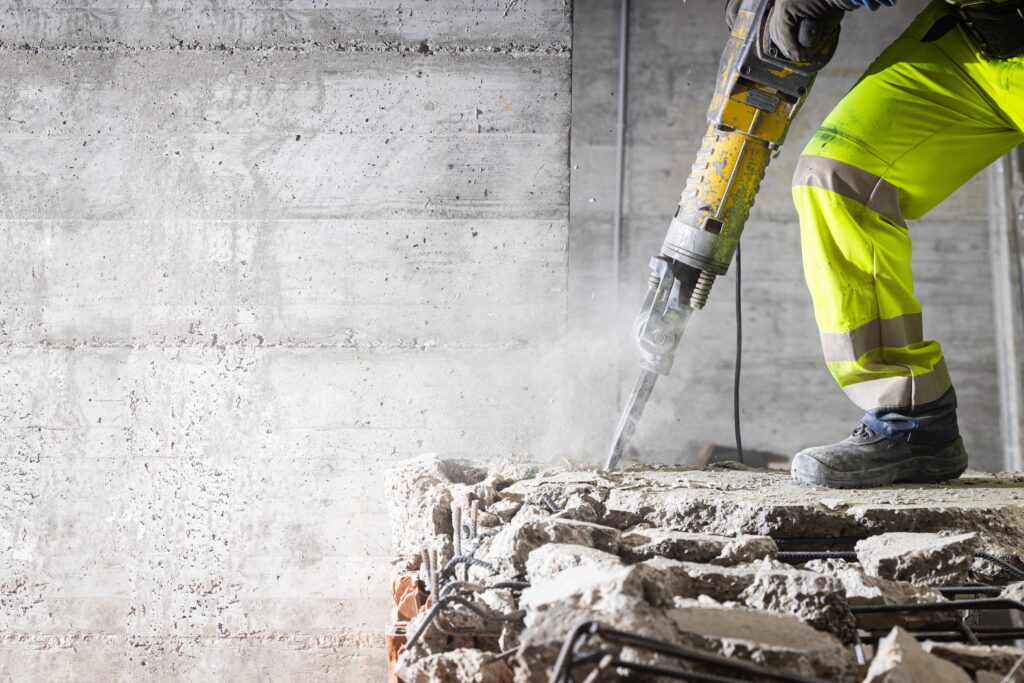
When a structure has served its purpose, or when your construction begins with a clean slate, having a demolition team you trust is critical. Jettison Environmental delivers full-service demolition solutions which means you don’t just tear down, you clear the way forward. From Tear-Downs to Turnarounds At Jettison Environmental, demolition is more than just wrecking—it’s a controlled, precise, and safe process. Whether you’re tackling a single-family home, a multi-unit complex, or a sprawling commercial structure, they bring licensed, bonded, and insured crews to the site who understand how to manage each phase carefully. Their team handles everything from planning and execution to hauling and disposal. The Full Package: Demolition & Debris Removal A major benefit of working with Jettison is the continuity of service: the same company that brings the heavy equipment to bring down a building also manages the debris. You won’t end up juggling multiple vendors or worrying about what happens after the wrecking ball drops. Jettison Environmental operates their own C&D (construction and demolition) landfill and manage hauling directly. Safety, Efficiency & Environmental Responsibility Demolition is inherently risky—like structural collapses, hazardous materials (like asbestos) and large loads of debris all raise the stakes. Jettison explicitly emphasizes pre-planned and controlled methods, tailored to structure size and type, which supports a safer worksite. Moreover, their integrated waste-management roots mean you’re working with a firm that understands disposal, recycling, regulatory compliance and cost-control. On their home page they highlight “clear contracts, upfront pricing, no hidden fees”—giving you confidence from planning through cleanup. Locations & Reach Serving central Alabama — including Montgomery, Prattville, Tallassee, Troy, Wetumpka and Auburn/Opelika — Jettison Environmental is positioned locally with big-company capability. Their regional footprint means quicker mobilization, better local permit knowledge, and fewer delays. What This Means for You Faster site readiness : Structural removal plus debris hauling means you can launch your next build phase more quickly. Fewer vendors, simplified project management : One contract, one point of contact—from demolition to disposal. Transparent budgeting : With upfront pricing and all-in services, you can foresee costs without surprises. Environmental peace-of-mind : Knowing your debris is handled by a firm who owns landfill capacity and follows compliance helps maintain your project’s integrity. Flexibility for many project types : From homes to retail to heavy-industrial demolition—they list mechanical demolition, shopping malls, emergency clean-up after storms/fires, complete or partial tear-downs. Ready to Get Started? If you’re looking to free up space, refresh a site, or launch a brand-new build where the old structure needs clearing first—Jettison Environmental offers the turnkey solution. Contact them today for a free demolition and debris-removal estimate. Let someone else worry about the dust, the dump trucks and the debris—while you focus on what comes next. FAQ — Demolition Services Q: What types of demolition projects does Jettison Environmental handle? A: Jettison Environmental manages residential, commercial, and industrial demolitions. From single-family homes and retail centers to warehouses and manufacturing plants, they perform full and partial demolitions with precision and safety. Q: Does Jettison Environmental provide debris removal after demolition? A: Yes. Every demolition includes debris removal and hauling. Jettison operates its own roll-off dumpsters and C&D landfill, allowing complete start-to-finish waste management without third-party haulers. Q: How does Jettison ensure safety during demolition work? A: Safety begins with a detailed pre-demolition assessment. Crews are trained and insured, and projects follow OSHA and state safety regulations. Controlled techniques minimize risk to workers, nearby structures, and the environment. Q: Can Jettison handle selective or partial demolitions? A: Absolutely. They perform both full-structure tear-downs and selective interior or structural demolitions—ideal for remodels, expansions, or fire-damaged areas. Q: What happens to recyclable materials after demolition? A: Concrete, metals, wood, and other materials are sorted and diverted from landfills whenever possible. Jettison provides environmentally responsible disposal and recycling to reduce waste and meet sustainability goals. Q: Do I need to obtain a demolition permit myself? A: In most cases, Jettison assists with or manages the permitting process. Their local expertise ensures compliance with city and county demolition requirements. Q: What areas does Jettison Environmental serve? A: They serve central and southern Alabama, including Montgomery, Prattville, Auburn/Opelika, Troy, and surrounding communities. Q: How can I get a quote or schedule a demolition project? A: Contact Jettison Environmental and provide your project address and scope for a fast, transparent quote. Click here.
Construction Waste Management with Jettison Environment Roll-Off Dumpster Solutions
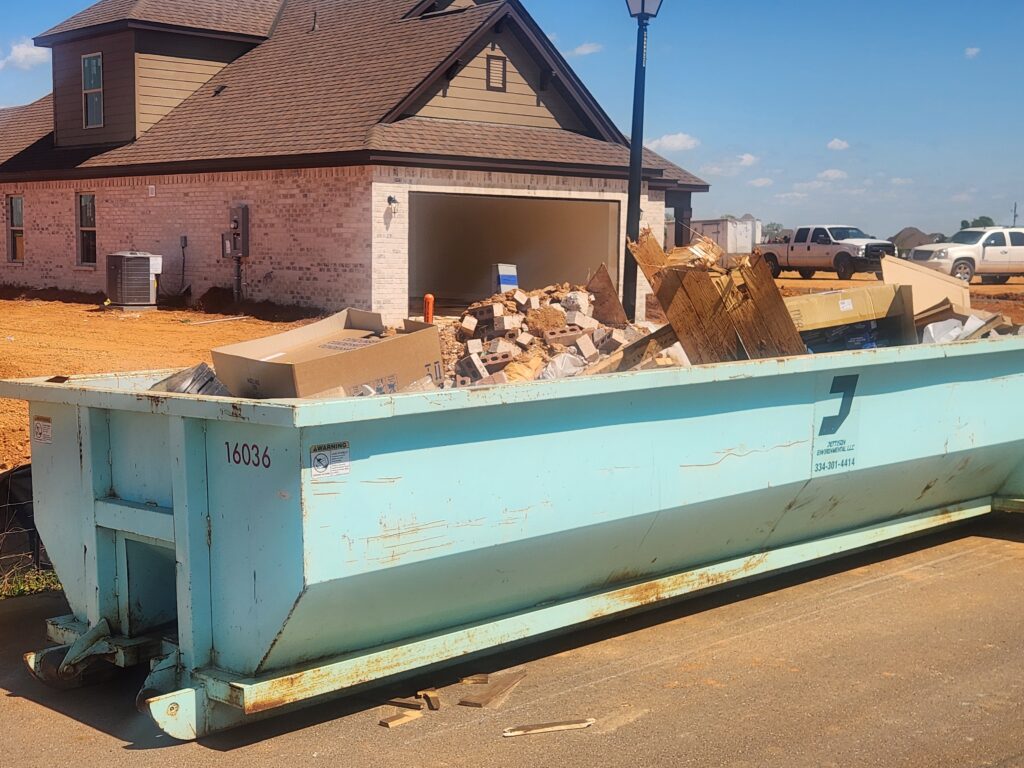
When you’re managing a construction project, whether it’s a new build, major renovation, or demolition, there is a significant factor you can’t afford to overlook – waste management. Construction and demolition debris can quickly accumulate, creating safety hazards, slowing workflow, and draining your budget. That’s where Jettison Environmental steps in with tailored roll-off dumpster services designed to keep your site clean, compliant, and efficient. Why Roll-Off Dumpsters Are a Game-Changer for Construction Job Sites Here’s how choosing the right roll-off dumpster partner transforms waste from a hassle into a solved problem: Massive capacity : Roll-off dumpsters accommodate bulky items, mixed materials, and large volumes of debris—no multiple smaller pickups needed. Speedy deployment & pickup : A timely drop-off means your crews stay focused on building, not hauling. Better safety & workflow : Designating a single container for waste keeps the job site clean, reduces trip risks, and lets you get on with the work. Compliance, simplified : On-site waste solutions help you stay in line with local and state regulations, including those set by OSHA. Cost-effective disposal : One container, fewer pickups, and one trusted partner often deliver better value than ad-hoc arrangements. How Jettison Environmental Elevates Construction Waste Management As a leading full-service waste company in Alabama, Jettison offers expertise, reliability, and an array of services tailored for our construction clients. Here are a few highlights: Construction-specific roll-off options : From standard debris to mixed materials, Jettison provides roll-off dumpsters built for commercial and industrial construction debris. Transparent pricing & no hidden fees : One of their core principles is clear contracts and upfront pricing—no surprises later on. Local, trusted partner : Operating in multiple landfill and service locations across Alabama (Montgomery, Prattville, Auburn/Opelika, Troy, Tallassee and Wetumka) ensures fast response and local expertise. Comprehensive service : They’re not just roll-off providers; they also handle demolition, concrete cutting, portable restrooms, storage containers, and full waste disposal—allowing you to consolidate vendors. Environmental responsibility : Proper disposal and recycling practices matter. Working with a provider that knows the local rules and prioritizes sustainable solutions helps reduce your project’s environmental impact. Tips for Maximizing Efficiency with Your Roll-Off Dumpster Choose the right size : Ensure the dumpster you order fits the expected volume of debris—under sizing causes overloads, oversizing incurs unnecessary cost. Locate it strategically on-site : Place the dumpster near major waste-producing areas but safe from vehicle or equipment traffic. Segregate materials when possible : Sorting out concrete, metals, and wood can reduce disposal costs and boost recycling. Schedule pickups ahead of time : Regularly monitor fill levels and book pickups before things back up. Avoid prohibited items : Keep hazardous materials or liquids out of the roll-off to avoid fines or additional fees. Rely On Jettison Environmental Construction projects demand focus, timelines, and precision. You shouldn’t let waste disposal slow you down. With Jettison Environmental’s reliable roll-off dumpster services, you gain a partner who keeps your site cleaner, safer, and more cost-effective. Whether you’re working on a large commercial build or a smaller renovation, the right waste-management setup is a key piece of the puzzle—and Jettison is positioned to deliver. If you’re ready to simplify your construction waste workflow and keep debris off your mind, consider reaching out to Jettison Environmental for a consultation and quote. FAQ – Construction Waste Management Q: What types of construction debris can go in a roll-off dumpster? A: Common C&D debris like wood, drywall, shingles, siding, plastics, cardboard, non-hazardous flooring, fixtures, soil, brick, concrete, and metals are accepted. Hazardous wastes (paints/solvents, liquids, batteries, asbestos, tires) are not allowed. Q: What dumpster sizes do you offer for construction projects? A: We provide a range of roll-off sizes (typically 15, 20, 30, and 40 yard). Tell us your project scope and materials, and we’ll recommend the most efficient size to control costs. Q: How fast can I get delivery and pickup? A: Standard service is next-day on weekdays when orders are placed by mid-day; same-day is often available. Pickups can be scheduled on call or set as recurring swaps to keep your site moving. Q: Do I need a permit to place a dumpster? A: Permits are usually required only if the container sits on a public street or right-of-way. On private property, no permit is typically needed. We can advise based on your jobsite location. Q: Where should the dumpster be placed? A: Choose a flat, accessible surface with at least 60 feet of approach for the truck. Keep the spot clear of low wires/branches and ensure there’s room to swing the truck door and open the dumpster gate. Q: Are there weight limits or tonnage caps? A: Yes—each size has a tonnage allowance. Overages beyond the included tons are billed at a transparent per-ton rate. We’ll estimate expected weight based on your debris mix before delivery. Q: Can I mix materials, or should I load source-separated debris? A: Mixed C&D is fine and convenient. For heavy single-streams (concrete, brick, dirt, metal), dedicated “clean load” dumpsters can reduce disposal costs and support higher recycling rates. Q: How do contamination or prohibited items affect pricing? A: Restricted items or contamination in clean-load containers can trigger handling surcharges. We’ll provide a do-not-load list and signage to help crews avoid extra fees. Q: Do you support recycling and LEED documentation? A: Yes. We offer diversion options for concrete, metals, cardboard, and clean wood and can provide disposal tickets and diversion summaries for LEED or owner reporting. Q: How long can I keep the dumpster on site? A: Typical rentals include a standard number of days with affordable daily rates thereafter. Long-term and multi-swap construction pricing is available. Q: What if my site has limited space or soft ground? A: We can recommend smaller sizes, more frequent swaps, or ground protection (boards/mats). Please alert us to tight turns, gates, and overhead obstacles when scheduling. Q: How do I get a quote or schedule service? A: Share your job address, debris type, estimated volume/weight, target dates, and any access