
Things to Know about the Future of Landfills and Waste Disposal Sites
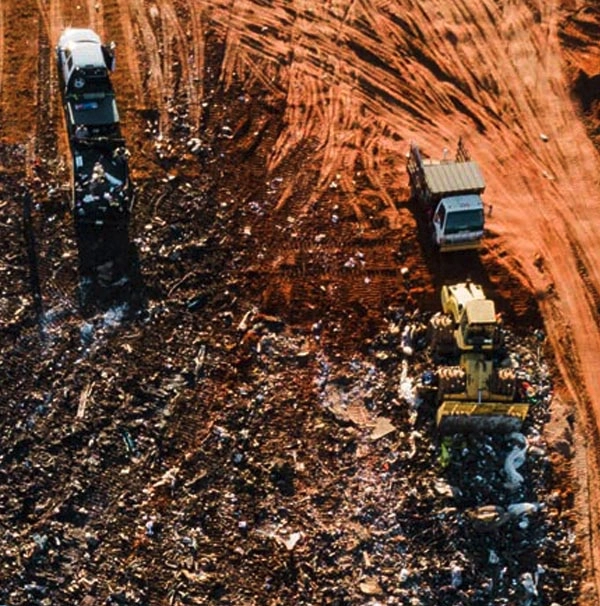
Things to Know about the Future of Landfills and Waste Disposal Sites Most of us know that the last stop for most trash is a landfill, but in the realm of environmental sustainability and waste management, the future of landfills and waste disposal sites is developing and growing in importance. With the increase in the global population, waste generation is also on the rise. This blog provides an overview of the topic of the future of landfills and spotlights the significance of challenges associated with waste disposal. Quick Look at the History If you look back in time, early waste disposal practices primarily involved simple methods like open dumping and burning. As urbanization and industrialization advanced, organized waste management strategies naturally became required. Modern landfills began during the mid-20th century. These sites were designed to contain and isolate waste materials from their surrounding environment. Today, landfills are engineered facilities designed for the disposal of solid waste. They are regulated and well managed. They also are constructed and operated in order to minimize the potential and real impacts on human health and the environment. There’s a difference between a landfill and waste disposal sites. Waste disposal sites include a variety of facilities, such as landfills and incinerators. Sanitary landfills, the most prevalent type, are specifically engineered to isolate waste from the environment and prevent the release of harmful substances. Consider these Points — Current landfill technologies and their effects on waste management Green.org writes, “Modern landfill technologies have significantly improved waste management practices. For example, landfill gas management systems capture and utilize methane gas produced by decomposing waste. This not only reduces greenhouse gas emissions but also generates renewable energy.” “Additionally, leachate collection and treatment systems prevent groundwater contamination by capturing and treating the liquid that is generated within landfills.” Enhanced landfill mining and resource recovery retrieves valuable materials from historical landfill sites. Diminishing the necessity for new raw material extraction. Different waste disposal methods and their potential Alternative waste disposal methods present promising solutions to the challenges of traditional landfilling. Today’s technologies for waste-to-energy, such as incineration and gasification, can transform waste materials into usable heat or electricity. That’s a win-win for everyone! Waste management can play a significant role in leading recycling and reuse initiatives. This, in turn, promotes the diversion of waste from landfills by transforming materials into new products. Biological treatment options, such as composting and anaerobic digestion, break down organic waste in controlled environments, reducing methane emissions and producing valuable compost or biogas. Innovation and technology are shaping the future Both innovation and technology are significantly influencing the future of waste management. Still fairly new on the scene is sensor technology, which allows for real-time monitoring of landfill conditions, improving waste placement and compaction. Now and in the future, robotics and automation will be used for waste sorting and management, increasing efficiency and minimizing manual labor. Additionally, artificial intelligence (AI) will assist in waste management decision-making, optimizing waste collection routes and resource allocation. Leading Trends Ongoing advancements in landfill design and engineering is essential. These focus on minimizing environmental impacts. This is a major point and key to the environment. “These measures include liner systems to prevent leachate leakage, gas collection systems, and engineered caps to reduce odors and prevent the infiltration of rainwater.” (green.org) The importance of renewable energy systems In the future, the growing use of renewable energy systems, such as solar panels and wind turbines will become increasingly common. These systems provide onsite renewable energy generation, reducing reliance on fossil fuels and further enhancing the sustainability of waste management practices. There is an increasing global movement towards a circular economy and the zero waste concept. This methodology aims to reduce waste generation through sustainable product design, extended producer responsibility, and enhanced recycling and reuse practices. It underscores the importance of perceiving waste as a valuable resource rather than a liability. Are there Challenges and Controversies? Going forward, there are both challenges and controversies, but these can be overcome. Public perception and acceptance of waste disposal sites can present significant challenges. That perception can be changed. Due to concerns about noise, odor, and potential health risks, many communities seek to say no to the development of new landfills and waste management facilities. However, there are a couple of ways to overcome these challenges and that is through proper education and communication with community leaders and residents. It is crucial to address public concern in order to gain support. If not properly managed, landfills can pose health and environmental risks. But companies like Jettison Environmental lower these risks in a number of ways: the release of harmful gases, contamination of groundwater, and the attraction of disease-carrying pests. Stringent regulations and proper monitoring and mitigation measures are necessary to minimize these risks. The Future Looks Bright for Waste Management Potential advancements in waste sorting and recycling technologies Innovations such as advanced sorting systems using artificial intelligence (AI) and robotics can improve recycling rates and the quality of recycled materials. This will further contribute to reducing the reliance on landfilling. These future advancements in waste sorting and recycling technologies will and do make a huge difference. Transition towards decentralized waste management systems There’s a growing interest in decentralized waste management systems. Smaller, local facilities reduce transportation costs, environmental impacts from long-distance disposal, and public concern. Increased focus on waste reduction and prevention strategies More than likely, the future will continue to see an increased focus on waste reduction and prevention strategies. This involves reevaluating consumption patterns, promoting sustainable product design, and implementing policies that incentivize waste reduction. By addressing waste generation at its source, the need for waste disposal sites can be minimized. Summing it up: the future of landfills and waste disposal sites will always be closely tied to the broader goals of environmental sustainability and waste management. Modern landfill technologies, alternative waste disposal methods, and innovative solutions will improve waste management and minimize environmental impacts. Sure, there will always be challenges related to
Dumpster— What size Do You Need?
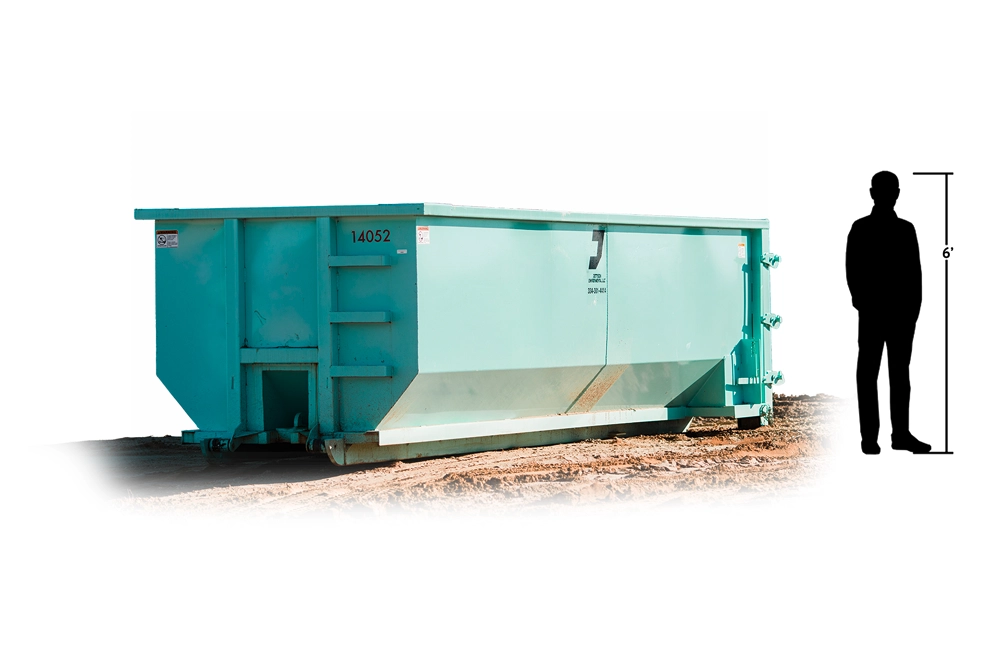
Dumpsters—What Size Do You Need? Our largest dumpster, (40 yard ) and it will handle any major project you have on the boards, It is suitable for bulky and lighter debris and measures approximately 22x8x6.5. Most people have no idea what size dumpster they need for their renovation work or just to clean out a basement or other area. Selecting the appropriate size is crucial for efficient waste disposal and cost-effectiveness. Most waste management companies understand the importance of choosing the right roll-off dumpster size for your needs and will help you evaluate your project. Use the guide below to help you estimate your project’s waste volume and select the best dumpster size to accommodate your disposal needs. Dumpster Sizes and Capacities Usually, roll-off dumpster companies offer at least three different sizes, BUT Jettison Environmental offers four— 15-yard dumpsters: This small/medium size, 6-8, is perfect for jobs like garage clean-outs, small project home remodels, and even landscaping projects. The capacity is 6-8 pickup truck loads. 20-yard dumpsters: This medium-load dumpster is the most common size. It is good for residential, commercial, or roof replacement and has a capacity of approximately 8-10 pickup-truck loads. 30-yard dumpster: This large-sized roll-off dumpster is not suitable for full loads of dirt or concrete; it measures approximately 22x8x5 40-yard dumpster: This is our largest dumpster, and it will handle any major project you have on the boards. It is suitable for bulky and lighter debris and measures approximately 22x8x6.5. Knowing the sizes and capacities of roll-off dumpsters helps you choose the right one for your project. Make sure to talk with your dumpster representative so you select the perfect size for your home improvement job or landscaping work. Estimate How Much Waste You Will Generate Always estimate the amount of waste your project will produce. If you’re working with a contractor, they can help determine the right dumpster size. In many cases, they know exactly what is needed and can even schedule delivery. If you’re unsure about the waste volume, contact Jettison Environmental. Their team can help estimate your disposal needs. They will ask for project details to recommend the right roll-off dumpster size. With experience in construction and renovation, they provide expert guidance tailored to your project. For DIY projects, take time to plan. List everything you intend to remove or demolish. While estimating waste volume takes effort, discussing your project with an expert will save time and trouble. Here are some tips to help you get started. Make a Smart Choice Once again, make sure you work with a knowledgeable team at Jettison Environmental that is dedicated to helping you select the ideal roll-off dumpster size for their projects. Don’t hesitate to reach out to us for personalized assistance in choosing what is right for your project. We’re here to make your experience as smooth and stress-free as possible. Before you begin, here are some questions you need to ask: Understand the Scope of the Project: Evaluate your entire project and you can even include the square footage of the area being renovated. Knowing the number of rooms involved, or the scale of your landscaping project can save time and money. It’s better to get a dumpster that will handle your project than to have one delivered that is way too small. Know What Type of Debris that will be Removed: Different debris has different densities and can impact the dumpster size you’ll need. For example, heavy materials like concrete or roofing shingles require a larger dumpster than lighter materials like household junk or yard waste. Are you Demoing an Area or Cleaning it Out? Demolition projects like a serious renovation of a home or office area usually generate more waste than simply cleaning out a basement, attic, or yard area with bushes. Always make sure that what you are disposing is good to dispose. Certain building materials, fixtures, and appliances may require special consideration particularly when dealing with older homes. Consider Your Weight Limits You always want to avoid overage fees, so choosing a roll-off dumpster size that is right for your job is important. Most dumpster rental companies give clear weight limits for each size which helps you estimate debris weight and avoid extra charges. How can you avoid overage fees? Donate reusable items up front to local charities Separate recyclable materials common in local construction or renovation projects Sort yard waste in accordance with local regulations. Jettison Environmental specializes in providing open roll-off dumpsters for our customers in Tallassee, Auburn, Opelika, and Troy, Alabama. These dumpsters offer several advantages: Easy loading: Open top dumpsters and roll off dumpsters allow for easy loading of debris from above, making them ideal projects involving bulky or oversized items, such as furniture from home cleanouts or debris from storm damage cleanup. Versatility: Open top dumpsters can accommodate a wide range of debris types common in renovation and construction waste and demolition. Efficient disposal: These dumpsters are designed to allow for quick and efficient removal once they are filled, which minimizing disruption to your project site. Remember Your Key Takeaway Points— Keep Your Dumpster sizes in mind: Do you need a smaller open top dumpster for your project or a larger one? It makes a huge difference! Estimate your project’s waste volume: Consider factors such as the project scope, debris type, and whether your project involves demolition or cleanout to estimate the amount of waste you’ll generate. Remember to account for any unique aspects of projects, such as urban renovation considerations. Take advantage of open top roll-off dumpsters: Our open top roll-off dumpsters with rear opening doors offer easy loading, versatility, and efficient disposal for your project’s debris, suitable for various project types. Be mindful of weight limits and overage fees: Each dumpster size has a specific weight limit. Exceeding these limits can result in overage fees, so it’s important to estimate the weight of your debris accurately. We’ll help you understand local disposal regulations, which will save time and money. Seek expert