
Dumpsters—What Size Do You Need?
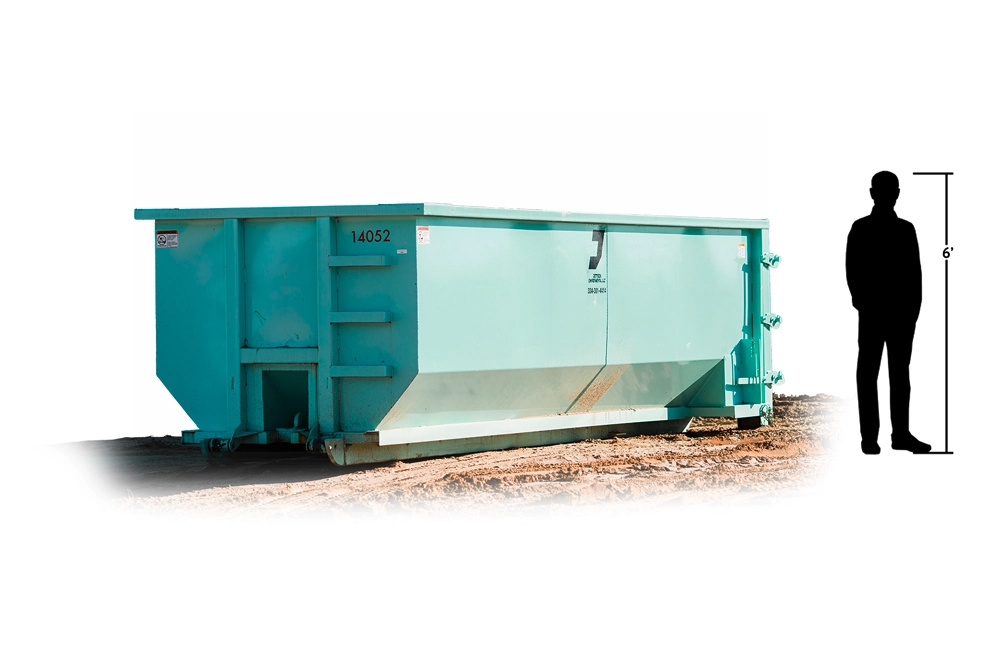
Our largest dumpster, (40 yard ) and it will handle any major project you have on the boards, It is suitable for bulky and lighter debris and measures approximately 22x8x6.5.
Most people have no idea what size dumpster they need for their renovation work or just to clean out a basement or other area. Selecting the appropriate size is crucial for efficient waste disposal and cost-effectiveness.
Most waste management companies understand the importance of choosing the right roll-off dumpster size for your needs and will help you evaluate your project. Use the guide below to help you estimate your project’s waste volume and select the best dumpster size to accommodate your disposal needs.
Dumpster Sizes and Capacities
Usually, roll-off dumpster companies offer at least three different sizes, BUT Jettison Environmental offers four—
- 15-yard dumpsters: This small/medium size, 6-8, is perfect for jobs like garage clean-outs, small project home remodels, and even landscaping projects. The capacity is 6-8 pickup truck loads.
- 20-yard dumpsters: This medium-load dumpster is the most common size. It is good for residential, commercial, or roof replacement and has a capacity of approximately 8-10 pickup-truck loads.
- 30-yard dumpster: This large-sized roll-off dumpster is not suitable for full loads of dirt or concrete; it measures approximately 22x8x5
- 40-yard dumpster: This is our largest dumpster, and it will handle any major project you have on the boards. It is suitable for bulky and lighter debris and measures approximately 22x8x6.5.
Knowing the sizes and capacities of roll-off dumpsters helps you choose the right one for your project. Make sure to talk with your dumpster representative so you select the perfect size for your home improvement job or landscaping work.
Estimate How Much Waste You Will Generate
Always estimate the amount of waste your project will produce. If you’re working with a contractor, they can help determine the right dumpster size. In many cases, they know exactly what is needed and can even schedule delivery.
If you’re unsure about the waste volume, contact Jettison Environmental. Their team can help estimate your disposal needs. They will ask for project details to recommend the right roll-off dumpster size. With experience in construction and renovation, they provide expert guidance tailored to your project.
For DIY projects, take time to plan. List everything you intend to remove or demolish. While estimating waste volume takes effort, discussing your project with an expert will save time and trouble. Here are some tips to help you get started.
Make a Smart Choice
Once again, make sure you work with a knowledgeable team at Jettison Environmental that is dedicated to helping you select the ideal roll-off dumpster size for their projects. Don’t hesitate to reach out to us for personalized assistance in choosing what is right for your project. We’re here to make your experience as smooth and stress-free as possible. Before you begin, here are some questions you need to ask:
Understand the Scope of the Project: Evaluate your entire project and you can even include the square footage of the area being renovated. Knowing the number of rooms involved, or the scale of your landscaping project can save time and money. It’s better to get a dumpster that will handle your project than to have one delivered that is way too small.
Know What Type of Debris that will be Removed: Different debris has different densities and can impact the dumpster size you’ll need. For example, heavy materials like concrete or roofing shingles require a larger dumpster than lighter materials like household junk or yard waste.
Are you Demoing an Area or Cleaning it Out? Demolition projects like a serious renovation of a home or office area usually generate more waste than simply cleaning out a basement, attic, or yard area with bushes. Always make sure that what you are disposing is good to dispose. Certain building materials, fixtures, and appliances may require special consideration particularly when dealing with older homes.
Consider Your Weight Limits
You always want to avoid overage fees, so choosing a roll-off dumpster size that is right for your job is important. Most dumpster rental companies give clear weight limits for each size which helps you estimate debris weight and avoid extra charges.
How can you avoid overage fees?
- Donate reusable items up front to local charities
- Separate recyclable materials common in local construction or renovation projects
- Sort yard waste in accordance with local regulations.
Jettison Environmental specializes in providing open roll-off dumpsters for our customers in Tallassee, Auburn, Opelika, and Troy, Alabama. These dumpsters offer several advantages:
- Easy loading: Open top dumpsters and roll off dumpsters allow for easy loading of debris from above, making them ideal projects involving bulky or oversized items, such as furniture from home cleanouts or debris from storm damage cleanup.
- Versatility: Open top dumpsters can accommodate a wide range of debris types common in renovation and construction waste and demolition.
- Efficient disposal: These dumpsters are designed to allow for quick and efficient removal once they are filled, which minimizing disruption to your project site.
Remember Your Key Takeaway Points—
Keep Your Dumpster sizes in mind: Do you need a smaller open top dumpster for your project or a larger one? It makes a huge difference!
Estimate your project’s waste volume: Consider factors such as the project scope, debris type, and whether your project involves demolition or cleanout to estimate the amount of waste you’ll generate. Remember to account for any unique aspects of projects, such as urban renovation considerations.
Take advantage of open top roll-off dumpsters: Our open top roll-off dumpsters with rear opening doors offer easy loading, versatility, and efficient disposal for your project’s debris, suitable for various project types.
Be mindful of weight limits and overage fees: Each dumpster size has a specific weight limit. Exceeding these limits can result in overage fees, so it’s important to estimate the weight of your debris accurately. We’ll help you understand local disposal regulations, which will save time and money.
Seek expert guidance: You always need a knowledgeable team available to help you select the best dumpster size for your project. Don’t hesitate to ask those you are working with for assistance and advice.
At Jettison Environmental reliable service and advice are available for all your dumpster rental requirements. By considering the key factors listed here and consulting our professional, you can select the appropriate roll-off dumpster size for your project. This will result in efficient waste management and less costs.
FAQs –Dumpsters—What Size Do You Need?
Q: How do I choose the right dumpster size for my project?
A: Choosing the right dumpster size depends on the volume and type of debris, the weight of the materials, and the available space for container placement. Smaller dumpsters are generally suitable for home cleanouts and minor renovations, while larger roll-off containers accommodate construction, demolition, and commercial cleanup projects. Jettison Environmental can help determine the appropriate container based on your project’s specific waste disposal requirements.
Q: What is the difference between a 15-yard, 20-yard, and 30-yard roll-off dumpster?
A: The primary difference is the volume of debris each container can hold. A 15-yard dumpster accommodates approximately 15 cubic yards of material and is often suitable for smaller remodeling projects. A 20-yard dumpster provides additional capacity for roofing, renovation, and construction debris. A 30-yard dumpster is commonly used for larger commercial renovations, building cleanouts, and demolition projects. Weight restrictions and container dimensions should also be considered.
Q: What size dumpster is best for a residential renovation or home cleanout?
A: Small bathroom renovations, garage cleanouts, and flooring replacement projects may require a 10- or 15-yard dumpster, depending on the amount of waste generated. Larger home remodeling projects, roof replacements, and whole-house cleanouts may benefit from a 20-yard container. The best choice depends on the actual debris volume and material weight.
Q: What size dumpster should contractors use for construction and demolition debris?
A: Contractors often select 20- or 30-yard roll-off dumpsters for construction and demolition projects involving lumber, drywall, roofing materials, and general building debris. Larger projects may require multiple containers or scheduled dumpster exchanges. Selecting the proper dumpster size and pickup frequency helps maintain organized job sites and reduces interruptions during construction.
Q: Can I put concrete, brick, dirt, and other heavy materials in a large dumpster?
A: Heavy construction materials require special consideration because dumpsters have maximum allowable weight limits. Concrete, brick, dirt, and similar materials can exceed those limits before a container reaches its full volume. Smaller dumpsters, restricted loading levels, or dedicated heavy-debris containers may be more appropriate. Always confirm acceptable materials and loading requirements before filling a dumpster.
Q: Is renting a larger dumpster more cost-effective than renting a smaller one?
A: A larger dumpster can be cost-effective when a project generates substantial amounts of lightweight or bulky debris, potentially reducing the need for multiple rentals or container exchanges. However, larger containers are not always the best option for heavy materials or locations with limited space. Comparing estimated waste volume, weight restrictions, rental costs, and pickup requirements helps determine the most economical solution.
Related Articles
Contractor’s Guide to Using Roll-Off Dumpsters for Construction Projects
Choosing the right dumpster is only one part of effective construction waste management. Learn how contractors can coordinate roll-off dumpster deliveries, select appropriate container sizes, manage debris disposal, and maintain organized job sites throughout construction and renovation projects.
https://jettisonenvironmental.com/contractor-dumpster-rental-guide/
Heavy Debris Disposal Done Right: Best Practices for Concrete, Brick, Dirt & Asphalt Removal
Not all construction debris can be handled the same way. Concrete, brick, dirt, and asphalt require special consideration because of their weight and disposal requirements. Discover how proper dumpster selection and loading practices can help prevent overloading, reduce hauling expenses, and improve construction waste removal.
https://jettisonenvironmental.com/heavy-materials-dumpsters/
Roofing Dumpster Rental for Shingle Disposal & Roofing Debris Removal
Roofing projects generate substantial amounts of shingles, underlayment, flashing, and other debris. Learn how selecting the appropriate roll-off dumpster and coordinating timely pickups can help roofing contractors keep work areas organized and manage roofing waste efficiently.